The Future of Logo Design: Embracing Virtual Reality Technologies
Explore how VR is revolutionizing logo design, offering immersive experiences and new creative possibilities for brands.
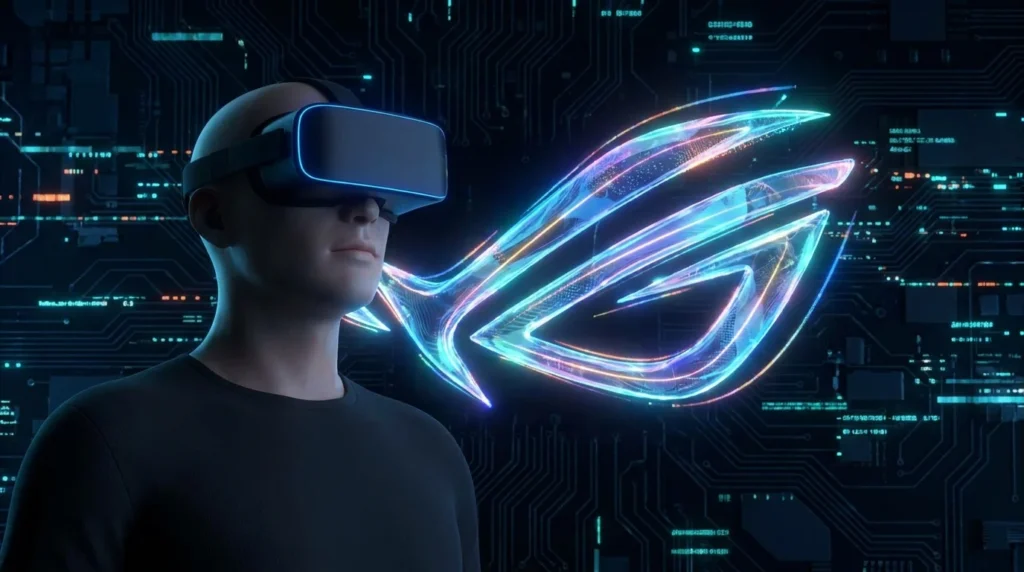
As technology evolves, the realm of logo design is set to embrace some of the most advanced innovations, with virtual reality (VR) leading the charge. The future of logo design is not just about visual appeal but about creating immersive experiences that resonate with audiences on a deeper level. This exploration of VR in logo design offers a glimpse into a world where logos are no longer static images but dynamic, interactive elements.
The Rise of VR in Logo Design
Virtual reality has made significant strides in various fields, from gaming to education, and now it’s paving the way for a new era in branding. By incorporating VR, designers can create logos that users can engage with in a three-dimensional space. This innovation allows for a more personalized experience, where consumers can interact with brand symbols in ways never before possible.
Enhancing Brand Engagement
One of the most compelling advantages of utilizing VR in logo design is the enhanced level of brand engagement it offers. By allowing consumers to enter a virtual space and interact with the logo, brands can create lasting impressions. This immersive experience can lead to increased brand loyalty as consumers develop a deeper connection with the brand story and its visual representation.
Creating Immersive Experiences
Imagine a brand logo that not only represents a company but also tells a story through an interactive VR experience. This capability can transform traditional logo design into an immersive journey. As users engage with the logo in a virtual environment, they can explore different facets of the brand’s history, values, and mission, all within a single experience.
Challenges in VR Logo Design
Despite its potential, integrating VR into logo design presents certain challenges. The complexity of creating VR content requires advanced technical skills and resources. Additionally, ensuring that these experiences are accessible to a wide audience can be difficult, given the current limitations of VR hardware and software. However, as technology advances, these challenges are likely to diminish.
Impact on Traditional Logo Design Practices
While VR offers new opportunities, it also poses a significant shift from traditional logo design practices. Designers must now consider how their logos will function and appear in a virtual space, which requires a different set of skills and considerations. This transition is similar to the impact digital tools have had on traditional practices, as explored in The Impact of Digital Tools on Traditional Logo Design Practices.
The Future of VR in Branding
Looking ahead, the integration of VR in logo design is expected to become more prevalent. As more brands seek to differentiate themselves in a crowded marketplace, the use of VR could become a key component of branding strategies. The future may see logos that adapt and change based on user interaction, offering a dynamic and ever-evolving brand identity.
Conclusion
In conclusion, VR logo design is poised to redefine how brands express their identity. By offering immersive and interactive experiences, VR allows logos to transcend traditional boundaries and engage consumers in new and exciting ways. As this technology becomes more accessible, we can expect a revolution in how brands communicate with their audiences.
Integrating Augmented Reality with VR Logo Design
While virtual reality offers a fully immersive experience, integrating augmented reality (AR) with VR in logo design can provide additional layers of interaction and engagement. AR allows digital elements to overlay the real world, which can be combined with VR to create hybrid experiences. For example, users might engage with a logo in a virtual space and then see it come to life in their real-world surroundings through AR applications. This dual approach can enhance brand storytelling by providing consumers with a seamless transition between virtual and physical interactions.
Brands can utilize AR to extend the reach of their VR logo experiences beyond the confines of VR headsets. Imagine scanning a product with a smartphone to reveal an interactive 3D logo experience that complements the VR journey. This combination of technologies can lead to a more holistic understanding of the brand, engaging users across multiple platforms and environments.
The Role of Artificial Intelligence in VR Logo Design
Artificial Intelligence (AI) is set to play a significant role in the evolution of VR logo design. AI can facilitate the creation of more personalized and adaptive VR experiences by analyzing user interactions and preferences. Through machine learning algorithms, AI can adjust the VR environment and logo interactions in real-time, offering customized experiences that resonate with individual users.
For instance, AI could enable a logo to change its appearance, behavior, or associated content based on user feedback and engagement metrics collected during VR sessions. This adaptability ensures that the brand message remains relevant and compelling to different audience segments. Furthermore, AI-driven analytics can provide designers with insights into user behavior, enabling them to refine and optimize VR logo experiences continually.
Incorporating AI into VR logo design not only enhances user engagement but also streamlines the design process. Designers can leverage AI tools to automate repetitive tasks, such as rendering and testing, allowing them to focus more on creative aspects and strategic storytelling.