Understanding Brand Archetypes Through Logo Design
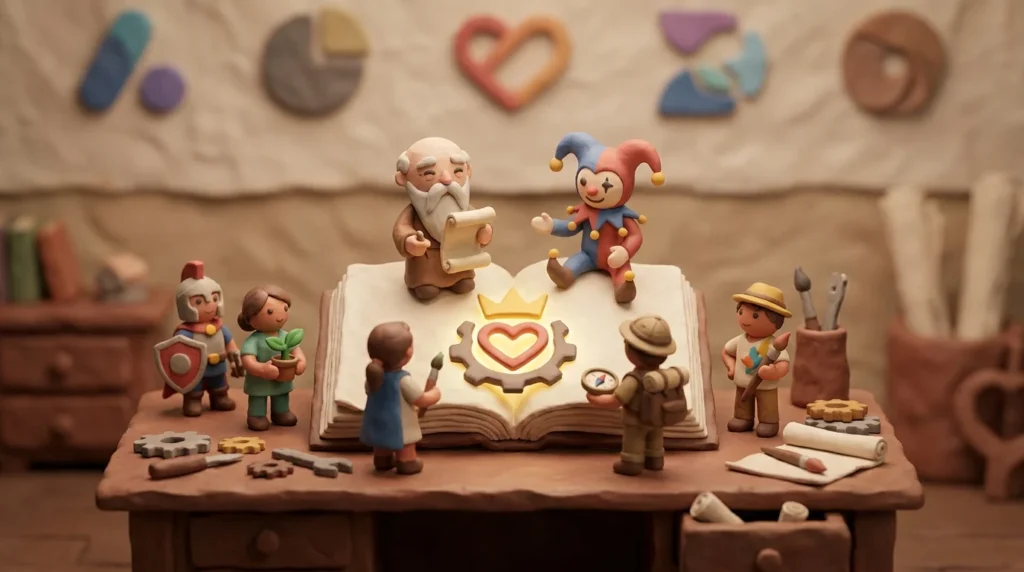
Explore how brand archetypes guide logo design to create meaningful connections, enhancing brand identity and consumer engagement.
In the competitive world of branding, understanding brand archetypes is crucial for creating logos that resonate with target audiences. Brand archetypes are universal symbols and characters that evoke specific emotions and associations, helping brands convey their core values and personalities. By aligning logo design with these archetypes, brands can establish stronger connections with consumers, fostering loyalty and recognition.
What Are Brand Archetypes?
Brand archetypes are derived from psychologist Carl Jung’s theory of archetypes, which suggests that certain character types are embedded in our collective unconscious. In branding, these archetypes manifest as consistent and recognizable patterns that help shape a brand’s identity. The twelve primary archetypes include the Hero, the Explorer, the Sage, and the Jester, among others. Each archetype represents distinct traits and values, guiding the visual and emotional elements of logo design.
The Role of Archetypes in Logo Design
Incorporating brand archetypes into logo design involves more than just choosing specific colors or fonts. It requires a deep understanding of the brand’s mission and values, translating them into visual elements that reflect the chosen archetype. For instance, a Hero brand might use bold, dynamic shapes and colors to convey strength and courage, while a Sage brand might opt for a more refined, intellectual design. This alignment ensures that the logo not only attracts attention but also communicates the brand’s essence effectively.
Examples of Successful Archetype-Based Logos
Many well-known brands successfully utilize archetype-based logos. Consider Nike, which embodies the Hero archetype with its iconic swoosh symbolizing movement and achievement. Similarly, Airbnb taps into the Explorer archetype, using a logo that suggests openness and adventure. These logos do more than just represent the companies; they evoke specific emotions and ideals that resonate with their target audiences, reinforcing the brands’ positions in their respective markets.
Designing Logos with Archetype Consistency
Consistency in logo design is paramount for maintaining brand identity. When designing logos with brand archetypes in mind, it is essential to ensure that all visual elements consistently reflect the chosen archetype. This includes color schemes, typography, and imagery. A consistent design approach not only strengthens brand recognition but also enhances consumer trust and loyalty. To learn more about achieving brand cohesion through logo design, visit our detailed guide on How to Achieve Brand Cohesion Through Logo Design.
The Impact of Color Psychology on Archetype Logos
Color psychology plays a significant role in archetype-based logo design. Different colors can evoke different emotions, which can be strategically used to align with a brand’s archetype. For example, blue often represents trust and reliability, making it a popular choice for Sage brands, while red can signify passion and energy, aligning with the Hero archetype. Understanding these color dynamics is crucial for designing logos that not only attract attention but also convey the intended message. For further insights, explore our article on Color Psychology in Logo Design.
Future Trends in Archetype-Based Logo Design
As branding evolves, so too does the application of archetypes in logo design. With the rise of digital platforms and AI technology, brands are now exploring more dynamic and interactive logo designs that can adapt to various contexts while maintaining their archetypal roots. Future trends suggest a move towards logos that are not only visually appealing but also capable of engaging consumers on multiple levels, creating more personalized brand experiences.
In conclusion, understanding and utilizing brand archetypes in logo design is a powerful strategy for creating meaningful brand identities. By aligning visual elements with archetypal values, brands can forge deeper connections with their audiences, enhancing recognition and loyalty in an increasingly competitive market.
Integrating Archetypes with Typography in Logo Design
Typography is a fundamental component of logo design that can significantly influence how a brand’s archetype is perceived. Different typefaces convey different emotions and associations, which can be aligned with specific archetypes to enhance brand messaging. For instance, a brand that embodies the Creator archetype might leverage artistic and unique fonts that evoke innovation and originality. Conversely, a Ruler archetype might choose a more traditional and authoritative typeface to exude power and control. The careful selection of typography not only supports the visual identity of a brand but also reinforces the emotional connection with its audience.
The Emotional Impact of Typeface Selection
The emotional response elicited by different typefaces can be subtle yet profound. Serif fonts, often associated with tradition and reliability, can enhance the perception of brands like the Sage or the Caregiver, providing a sense of wisdom or nurturing. On the other hand, sans-serif fonts offer a more modern and clean look, suitable for archetypes such as the Innocent or the Explorer, who value simplicity and discovery. Script fonts, with their elegant and personal touch, can be ideal for the Lover archetype, capturing the essence of passion and intimacy. By understanding these nuances, designers can create logos that not only speak to the brand’s archetype but also engage consumers on an emotional level.
The Role of Symbolism in Archetype-Based Logos
Symbols are powerful tools in logo design that can encapsulate the essence of a brand’s archetype in a single, impactful image. Effective symbolism in logos often draws from universal motifs that resonate with the chosen archetype. For example, a brand identifying with the Magician archetype might incorporate mystical or transformative symbols that suggest change and wonder, while a brand aligned with the Rebel archetype could use disruptive or non-conformist imagery to challenge the status quo. These symbols not only enhance the logo’s visual impact but also deepen the narrative and storytelling of the brand, fostering a stronger connection with its audience.
- Hero Archetype: Symbols of strength like shields or mountains.
- Caregiver Archetype: Heart motifs or nurturing hands.
- Explorer Archetype: Compasses or globes to signify adventure.