The Impact of Digital Tools on Traditional Logo Design Practices
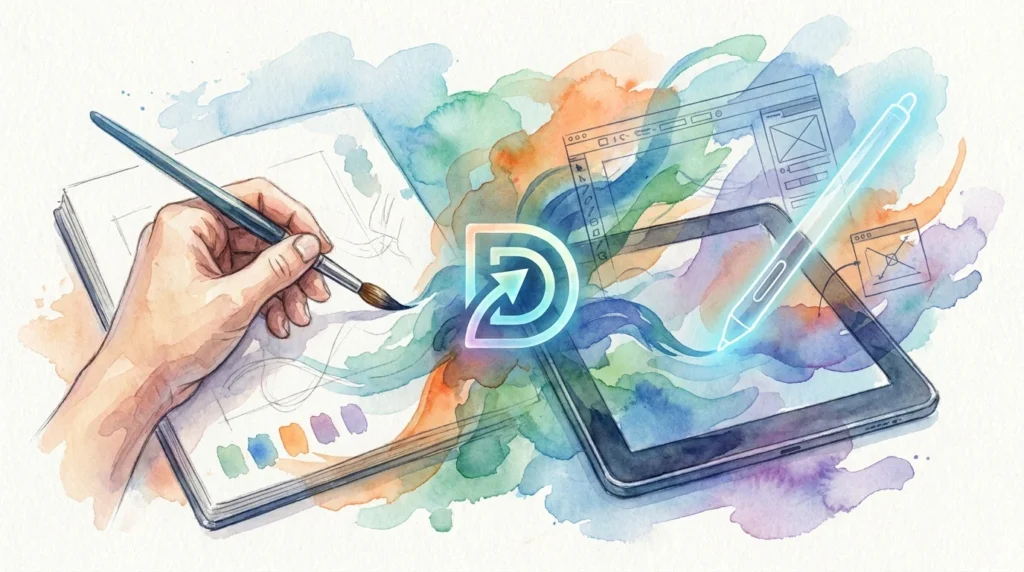
Explore how digital tools are reshaping traditional logo design, enhancing creativity, and streamlining processes for designers.
In the fast-evolving world of design, digital tools have become indispensable in transforming traditional logo design practices. With technological advancements, designers now have access to a plethora of resources that enhance creativity and efficiency. This article delves into the profound impact digital tools have on traditional logo design, exploring various aspects from ideation to execution.
The Evolution of Logo Design Tools
Historically, logo design was a manual process involving sketching and iterative adjustments on paper. Today, digital tools have revolutionized this process. Software like Adobe Illustrator and CorelDRAW offer designers powerful features to create intricate designs with precision. These tools allow for easy adjustments, scalability, and experimentation, providing a significant advantage over traditional methods. The ability to quickly prototype and modify designs has streamlined the creative process, enabling designers to focus more on innovation.
Enhancing Creativity Through Digital Innovation
Digital tools have opened new avenues for creativity in logo design. With features like layers, gradients, and filters, designers can experiment with various styles and effects that were previously difficult to achieve manually. Moreover, digital platforms provide access to a vast library of fonts and vector graphics, allowing for more diverse and unique designs. This flexibility encourages designers to push boundaries and explore unconventional concepts, leading to more dynamic and engaging logos.
Streamlining the Design Process
The integration of digital tools in logo design has significantly streamlined the workflow. Designers can now collaborate in real-time with clients and team members, thanks to cloud-based software solutions. This capability not only saves time but also enhances communication, ensuring that the final design aligns closely with the client’s vision. Additionally, digital tools facilitate easy revisions and updates, making it simpler to incorporate feedback and refine the design to perfection.
Improving Precision and Consistency
One of the major advantages of digital tools is the ability to achieve precision and consistency in logo design. Features like grid systems and alignment guides ensure that every element of the logo is perfectly placed, maintaining balance and harmony. This precision is crucial for creating logos that are visually appealing and effective across different mediums and sizes. Moreover, digital tools allow for consistent replication of design elements, ensuring brand coherence in every aspect.
Exploring New Design Techniques
The rise of digital tools has also led to the exploration of new design techniques, such as abstract art in logos. Digital platforms provide the tools necessary to experiment with abstract forms, creating visually striking designs that capture attention. This approach allows designers to convey complex brand messages through simple yet powerful visuals. For more insights into this technique, explore our article on abstract art in modern logo design.
The Intersection of AI and Logo Design
Artificial Intelligence (AI) is increasingly playing a role in logo design, offering tools that automate and enhance the creative process. AI-powered tools analyze design trends and provide suggestions, aiding designers in creating logos that are both modern and relevant. These tools also offer personalization options, allowing for bespoke designs tailored to specific brand needs. To understand more about this intersection, visit our article on technology and creativity in logo design.
Conclusion: Embracing the Digital Era
As digital tools continue to evolve, they will undoubtedly further impact traditional logo design practices. Embracing these advancements allows designers to enhance their creativity, improve efficiency, and produce logos that resonate with audiences. While traditional techniques still hold value, the integration of digital tools provides a competitive edge in the ever-changing design landscape.
Accessibility and Inclusivity in Logo Design
Digital tools have not only revolutionized the creative aspects of logo design but have also significantly contributed to making designs more accessible and inclusive. With the assistance of digital platforms, designers can easily implement features that cater to a diverse audience, ensuring logos are interpretable by individuals with varying visual abilities. For instance, software tools allow for the precise selection of color contrasts that comply with accessibility standards, ensuring logos are easily distinguishable for those with color vision deficiencies.
Moreover, digital tools enable designers to create logos that maintain their integrity across different formats and devices. This adaptability is essential in ensuring that logos remain recognizable and effective, whether they are viewed on a small mobile screen or a large billboard. By incorporating accessibility considerations into the design process, designers can create logos that are not only aesthetically pleasing but also universally approachable.
Environmental Considerations in Digital Logo Design
The shift to digital tools in logo design also offers environmental benefits, contributing to more sustainable practices. Traditional logo design often involved extensive use of paper, printing, and physical resources, which could be wasteful and environmentally taxing. In contrast, digital design significantly reduces the need for physical materials, as designs are conceptualized, developed, and finalized entirely within digital ecosystems.
Furthermore, digital tools enable designers to simulate how a logo will appear on various physical products without the need for prototype production, thereby minimizing waste. By adopting digital methods, designers can play a role in reducing their carbon footprint, aligning with the growing global emphasis on sustainability. This environmental consciousness is an increasingly important factor for brands seeking to demonstrate responsibility and appeal to eco-aware consumers.