Building Brand Loyalty Through Logo Design
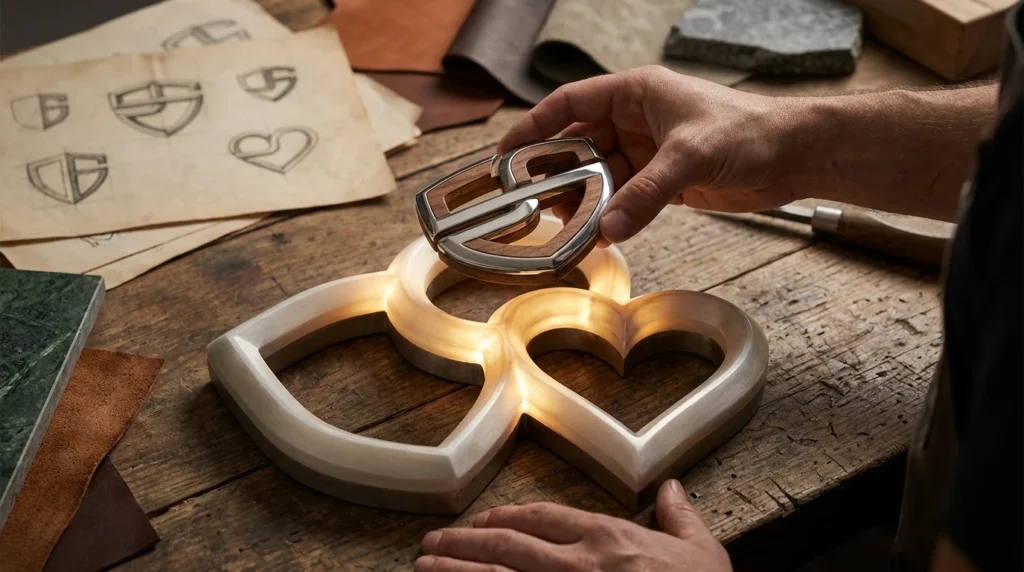
Discover how strategic logo design can enhance brand loyalty and connect with your audience.
In today’s competitive market, brand loyalty is not just a goal but a necessity for long-term success. One of the most powerful tools in achieving this is through strategic logo design. A well-crafted logo can create a lasting impression, foster trust, and build a deeper connection with customers.
The Psychological Impact of Logo Design
Logos are more than just symbols; they are powerful psychological tools that can influence consumer perception and behavior. The psychology of logo design suggests that shapes, colors, and styles can evoke specific emotions and associations. For instance, circular shapes often represent unity and community, while sharp angles can convey strength and innovation. By understanding these psychological triggers, brands can design logos that resonate with their target audience and cultivate loyalty.
The Role of Color in Brand Loyalty
Color plays a crucial role in how a logo is perceived and can significantly impact brand loyalty. Different colors evoke different emotions and associations. For example, blue is often associated with trust and reliability, making it a popular choice for financial institutions. Brands must carefully select colors that align with their values and the emotions they wish to evoke in their audience. Explore more about color psychology in logo design to understand its profound impact.
Consistency in Branding
Consistency is key when it comes to building brand loyalty through logo design. A logo should be a central component of a brand’s visual identity, appearing consistently across all platforms and materials. This consistency helps reinforce the brand’s message and makes it easily recognizable. By maintaining a cohesive look and feel, brands can create a sense of familiarity and reliability, essential for fostering loyalty. Learn how to achieve brand cohesion through logo design.
Adapting to Trends Without Losing Identity
While it’s important to stay current with design trends, brands must ensure that their logo remains true to their identity. Adapting to trends can help keep the brand fresh and appealing, but it should not overshadow the brand’s core message. Strategic updates can be made to modernize a logo without losing its essence. Consider how AI-driven design trends can help future-proof your brand while maintaining its core identity.
The Importance of User-Centric Design
Understanding the needs and preferences of your audience is crucial in logo design. A user-centric approach ensures that the logo aligns with the expectations and desires of the target market. This not only enhances the user experience but also fosters a deeper emotional connection with the brand. By focusing on the user’s perspective, brands can create logos that resonate more effectively, thus enhancing loyalty. Discover the benefits of user-centric logo design.
Avoiding Common Pitfalls in Logo Design
Finally, avoiding common mistakes in logo design is essential for building brand loyalty. A cluttered or overly complex logo can confuse consumers and dilute the brand message. Simplicity and clarity should be the guiding principles. Additionally, ensuring that the logo is versatile and scalable will maintain its effectiveness across different mediums. Learn more about common mistakes to avoid in logo design.
In conclusion, building brand loyalty through logo design involves a careful balance of psychology, consistency, trend adaptation, user-centricity, and simplicity. By focusing on these elements, brands can create logos that not only attract but also retain loyal customers.
The Role of Typography in Logo Design
Typography is a crucial element in logo design that can significantly influence brand perception and loyalty. The choice of font conveys a brand’s personality and values, impacting how customers perceive the brand. For instance, a serif font might evoke a sense of tradition and reliability, while a sans-serif font can suggest modernity and simplicity. Script fonts often give off an elegant and sophisticated vibe, appealing to luxury brands. When designing a logo, it’s essential to select typography that aligns with the brand’s image and the emotions it intends to evoke in its audience. A well-chosen typeface can enhance the logo’s memorability and help establish an emotional connection with consumers.
Creating a Timeless Logo
A timeless logo is one that remains effective and relevant over many years, transcending fleeting design trends. Building brand loyalty through logo design requires creating an emblem that stands the test of time. This involves focusing on classic design principles such as balance, simplicity, and proportion. A timeless logo avoids overly intricate details that may date quickly and instead opts for a clean, straightforward design that can adapt to various contexts and mediums. By investing in a timeless logo, brands ensure that their visual identity remains consistent and recognizable, fostering long-term loyalty among customers. Consider iconic logos like those of Coca-Cola or Nike, whose enduring designs contribute significantly to their strong brand loyalty.
- Focus on Simplicity: Simple logos are easier to remember and recognize, making them more effective in building brand loyalty.
- Use Classic Elements: Incorporating elements that have proven to be effective over time, such as balanced proportions and clear lines, can contribute to a logo’s longevity.
- Adaptability: Ensure that the logo is versatile enough to work across different platforms and in various sizes without losing its impact.
Incorporating these strategies in logo design helps in creating a timeless brand image that resonates with customers, maintaining their loyalty over the years.