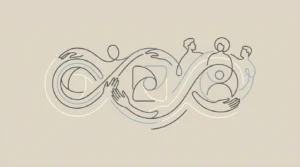
Understanding Logo Psychology: What Shapes Say About Your Brand

Explore how logo shapes influence brand perception and identity. Discover the psychology behind shapes in logo design.
Logo psychology is a fascinating field that delves into how different elements of a logo can influence perceptions and emotions. Among these elements, shapes play a critical role. Understanding what shapes say about your brand can help you craft a logo that resonates with your audience and communicates your brand’s values effectively.
The Power of Circular Shapes in Logos
Circular shapes in logos often convey a sense of unity, wholeness, and eternity. Brands that wish to promote community and inclusivity often opt for circular logos. The soft, rounded edges of circles can evoke feelings of comfort and security, making them an ideal choice for companies in the healthcare or hospitality industries. For instance, many well-known tech companies use circular logos to suggest innovation and global reach, reflecting the endless possibilities of their services.
Squares and Rectangles: Stability and Trust
On the other hand, squares and rectangles are associated with stability, reliability, and strength. These shapes suggest a sense of balance and professionalism, making them suitable for businesses in the finance or construction sectors. The straight lines and angles represent organization and discipline, which can attract customers looking for dependable and trustworthy services. A company looking to establish a strong foundation in the market might benefit from incorporating these shapes into their logo design.
Triangles: The Essence of Direction and Growth
Triangles are dynamic shapes that convey direction, movement, and growth. They are often used by brands that want to symbolize progress and forward-thinking. In logo psychology, upward-pointing triangles are associated with ambition and aspiration. This makes them popular in the tech industry, where innovation is key. Conversely, downward-pointing triangles can represent stability and a strong foundation, often seen in logos of companies that emphasize a solid base or heritage.
Organic Shapes: Creativity and Innovation
Organic shapes, which include irregular and natural forms, can communicate creativity, spontaneity, and innovation. These shapes are less predictable and can evoke curiosity and interest. Brands that focus on creativity, such as those in the art and design industries, often use organic shapes to convey their unique and evolving nature. By incorporating these shapes into their logos, companies can highlight their innovative approach and their ability to adapt and evolve in a changing market.
The Role of Negative Space in Logo Design
Negative space in logo design is a powerful tool that can create additional meaning and depth. By cleverly using the space around and between shapes, designers can add layers of interpretation to a logo. This technique can make a logo more memorable and engaging, inviting viewers to explore and discover hidden elements. For example, a logo might use negative space to subtly incorporate a secondary image or message that reinforces the brand’s identity or values.
Choosing the Right Shape for Your Brand
When considering which shape to use in your logo, it’s essential to reflect on your brand’s core values and message. Think about the emotions and perceptions you want to evoke in your audience. For further guidance, you may explore our comprehensive breakdown on choosing the right logo style for your business. It’s crucial to ensure that the chosen shape aligns with your brand’s identity and resonates with your target audience.
Color and Shape Synergy in Logos
While shapes form the backbone of a logo’s design, the colors used in conjunction with these shapes significantly impact the overall message and effectiveness of the logo. Colors can enhance or alter the perception of the shapes they accompany. For instance, a circular logo in blue might emphasize tranquility and trust, while the same shape in red could suggest passion and energy. Understanding the synergy between colors and shapes allows brands to fine-tune their message: a green triangle might communicate growth and freshness, while a black square could denote elegance and authority. Therefore, selecting a color palette that complements your logo’s shapes is crucial for amplifying the intended brand message.
Combining Multiple Shapes for Complex Messaging
In some cases, a single shape may not be sufficient to convey the complexity of a brand’s identity. Combining multiple shapes can create a nuanced logo that reflects diverse aspects of a brand. For example, a logo that integrates circles and triangles may represent both unity and progress, appealing to businesses that value community and innovation. Similarly, a blend of organic shapes with squares could symbolize creativity anchored by stability. However, it’s important to maintain balance and coherence when combining shapes to ensure the logo remains visually appealing and effectively communicates the intended brand message.
Adaptability Across Mediums
In today’s digital age, logos must be versatile enough to adapt to various mediums, from business cards to digital platforms and merchandise. The shape of a logo can influence its adaptability. Simple geometric shapes tend to scale well and maintain clarity across different sizes and formats, making them ideal for brands that require a consistent visual presence. Conversely, organic shapes may present challenges in scalability but can be highly effective in creating a distinctive and memorable brand image when executed thoughtfully. Evaluating how a logo’s shape will perform across different applications is essential in ensuring its long-term effectiveness and recognition.
The Impact of Logo Shape on Consumer Behavior
Logo shapes can significantly influence consumer behavior and decision-making. Research shows that consumers often associate circular logos with friendliness and approachability, which can lead to increased customer engagement and loyalty. In contrast, logos with angular shapes such as triangles and squares are typically perceived as more authoritative and professional, which can instill a sense of confidence and trust among consumers. Understanding these psychological associations can help brands strategically design logos that not only attract attention but also foster positive consumer relationships and drive brand loyalty.