How to Create Logos with Personalized AI Features
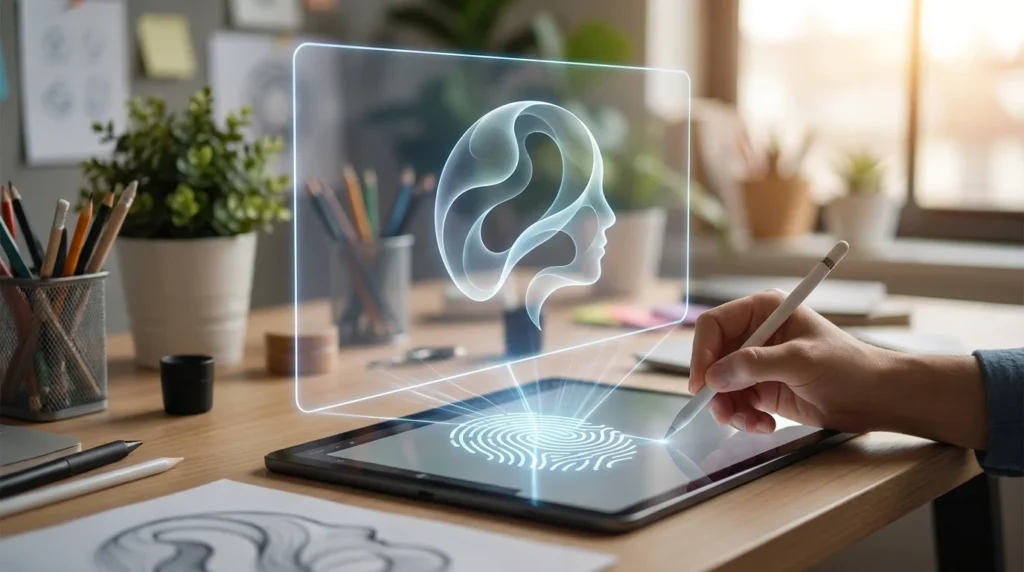
Explore how personalized AI features can revolutionize logo design, offering unique and tailored solutions for brands.
In the rapidly evolving world of design, AI logo personalization is revolutionizing the way logos are created, offering brands the ability to craft unique, tailored visuals that resonate with specific audiences. This innovative approach leverages advanced AI technologies to provide designers with tools that can customize logos based on user preferences, brand identity, and market trends.
Understanding AI Logo Personalization
AI logo personalization involves using artificial intelligence to create logos that are uniquely tailored to a brand’s specific needs. Unlike traditional design methods, which often rely on a designer’s intuition and experience, AI-driven tools analyze data and user input to generate logos that align with brand values and target audience preferences. This approach not only enhances creativity but also ensures that the final design is both innovative and relevant.
The Benefits of AI-Driven Logo Design
One of the primary benefits of using AI in logo design is efficiency. AI tools can quickly analyze vast amounts of data to identify design trends and user preferences, significantly reducing the time it takes to create a logo. Additionally, AI algorithms can suggest design elements that align with a brand’s identity, ensuring consistency across all visual elements. This level of personalization can lead to stronger brand recognition and customer loyalty.
How AI Personalizes Logo Elements
AI personalization in logo design focuses on various elements, including color schemes, typography, and iconography. For instance, AI can analyze a brand’s existing color palette and suggest complementary or contrasting colors to create a visually appealing logo. Similarly, AI can recommend font styles that resonate with the brand’s tone and message. By tailoring these elements, AI ensures that the logo not only stands out but also communicates the intended brand story effectively.
Integrating AI Features in Logo Design
Integrating AI features into the logo design process begins with understanding the brand’s core values and target audience. Designers can use AI tools to input these parameters and receive suggestions tailored to the brand’s unique needs. This process might involve using AI to generate multiple design options, which can then be refined and customized further to ensure they resonate with the brand’s audience. For more tips on creating impactful logos, you can explore how to create a logo that resonates with your target audience.
Ensuring Consistency with AI-Driven Logos
Consistency is key in branding, and AI-driven logos can help maintain this across various platforms. AI tools can generate scalable logo designs that adapt to different screen sizes and applications, ensuring that the logo looks great whether it’s on a website, social media, or printed materials. This adaptability is crucial for maintaining a cohesive brand image and can be explored further in our guide on creating adaptable logos.
Future Trends in AI Logo Personalization
As AI technology continues to advance, we can expect to see even more sophisticated personalization features in logo design. Future trends may include AI tools that can predict design trends based on user data or integrate real-time feedback to continuously refine logo designs. These advancements will further enhance the ability of brands to connect with their audiences through personalized, visually compelling logos.
Exploring AI’s Role in Collaborative Logo Design
AI is not only transforming how logos are personalized but also enhancing collaborative design processes. Design teams can leverage AI to facilitate collaboration between designers and AI systems, allowing for a dynamic interchange of ideas and creativity. By using AI-powered platforms, designers can work together in real-time, sharing insights and receiving instant AI-generated suggestions. This collaboration can lead to the creation of logos that are not only innovative but also benefit from diverse creative inputs.
Moreover, AI can act as an intermediary between client feedback and design execution. By analyzing client comments and preferences, AI can quickly propose design adjustments, streamlining the revision process and ensuring that the client’s vision is accurately represented in the final logo.
Enhancing User Experience Through AI-Driven Logo Interactivity
Another exciting development in AI logo design is the incorporation of interactivity, which enhances user engagement. AI can help create logos that are not static but respond to user interactions, such as changes in color or shape based on user actions. This can be particularly impactful for digital platforms where user interaction is a key component of the experience.
Interactive logos can be designed to change when hovered over or clicked, providing a memorable and engaging user experience. AI algorithms can be used to predict which interactive elements will be most appealing to a brand’s audience, ensuring that the logo not only captures attention but also strengthens the user’s connection with the brand. This approach can lead to increased brand recall and a more personalized user experience.