The Role of Color Psychology in Logo Design
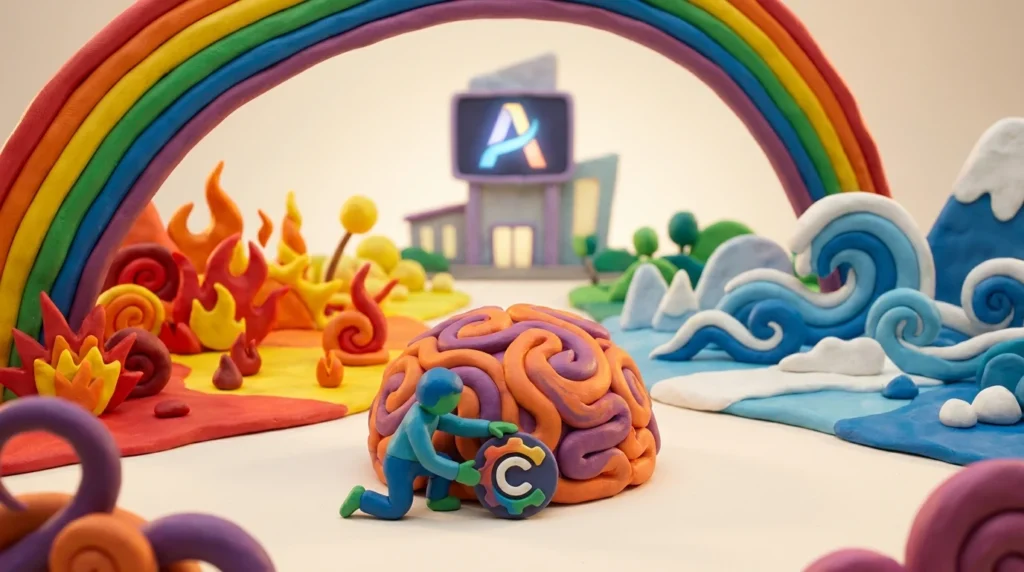
Explore how color psychology influences logo design to create impactful brand identities.
Color psychology plays a critical role in logo design by influencing consumer perceptions and emotions. Understanding how colors affect behavior and preferences helps businesses create logos that effectively communicate their brand values.
The Basics of Color Psychology
Color psychology studies how different hues influence human behavior and perception. Colors can evoke specific emotions and associations, which is why they are strategically used in branding. For instance, red often signifies passion and urgency, while blue is associated with trust and calmness. By leveraging these associations, designers can craft logos that resonate with target audiences.
Choosing the Right Colors for Your Logo
Selecting the appropriate colors for a logo is crucial for establishing a brand’s identity. The choice should align with the company’s values and the emotions it wishes to evoke. For example, green is frequently used by eco-friendly brands to symbolize nature and sustainability. To delve deeper into how specific colors impact brand perception, you can visit Color Psychology in Logo Design.
Color Combinations and Their Impact
Combining colors in a logo design can enhance its visual appeal and effectiveness. Complementary colors create contrast and capture attention, while analogous colors offer harmony and balance. It’s essential to consider how these combinations will appear across various mediums, from digital screens to printed materials. The science behind these choices is explored further in The Science Behind Color and Shape in Logo Design.
Influence of Culture on Color Perception
Culture significantly influences how colors are perceived. In Western cultures, white is often associated with purity and peace, whereas in some Eastern cultures, it may symbolize mourning. Understanding these cultural differences is vital for global brands that seek to maintain consistency across diverse markets. Incorporating cultural sensitivity in logo design ensures broader appeal and avoids misinterpretation.
Adapting to Modern Design Trends
As design trends evolve, so do the applications of color psychology in logos. Contemporary logos often use gradient effects and minimalistic color palettes to create modern and versatile brand symbols. These trends reflect a shift towards simplicity and digital adaptability, allowing logos to maintain their impact across various platforms. For more insights, check out The Evolution of Logo Design.
Implementing User-Centric Color Choices
User-centric design prioritizes the preferences and behaviors of the target audience. By conducting market research and testing color options with real users, brands can optimize their logos for maximum engagement and recognition. This approach ensures that the logo not only looks appealing but also aligns with consumer expectations. To learn more about user-focused design strategies, visit The Benefits of User-Centric Logo Design.
The Psychological Impact of Color Saturation and Brightness
While the hue of a color is significant in logo design, saturation and brightness also play crucial roles in shaping perceptions. Saturation refers to the intensity of a color, with highly saturated colors appearing vivid and bold, while less saturated colors seem muted and soft. Brightness, on the other hand, describes how light or dark a color appears. Together, these elements can drastically change the emotional impact of a color.
For example, a bright and highly saturated yellow might evoke feelings of happiness and energy, suitable for brands targeting a youthful audience. Conversely, a less saturated, darker blue may convey a sense of professionalism and trustworthiness, making it ideal for corporate logos. Designers must carefully consider these aspects to ensure the logo aligns with the intended brand message.
Furthermore, varying the saturation and brightness can help differentiate a brand within a crowded market. By choosing a unique combination that stands out, businesses can create a memorable visual identity that resonates with consumers.
Color Psychology in Rebranding Efforts
Rebranding offers companies a chance to redefine their identity and reconnect with their audience, and color psychology is pivotal in this process. When a business undergoes rebranding, altering its logo’s color scheme can signal a shift in brand values or target demographics. This change can refresh the brand’s image and attract new customers while retaining existing ones.
Consider the case of a tech company initially using a dark color palette to signify reliability and expertise. If the company decides to pivot towards a more consumer-friendly approach, integrating lighter, more vibrant colors can help communicate this new direction. The strategic use of color can thus bridge the past and future of a brand, facilitating smoother transitions for customers.
Moreover, color changes in rebranding can reflect shifts in societal trends or advancements in technology. For instance, as sustainability becomes a priority for consumers, brands might incorporate more greens and earth tones to emphasize their commitment to eco-friendliness. This conscious choice can enhance brand loyalty and attract environmentally conscious consumers.
Emotional Branding Through Color
Emotional branding seeks to forge an emotional connection between the brand and its audience, with color serving as a powerful tool in this endeavor. Emotions evoked by colors can influence purchasing decisions and foster brand loyalty. For example, a brand aiming to project luxury and sophistication might use deep purples and golds, colors historically associated with wealth and prestige.
On the other hand, a brand targeting children might utilize bright, primary colors to create an engaging and playful experience. In both scenarios, the emotional response elicited by the color choices can drive consumer behavior, reinforcing the brand’s positioning in the market.
Ultimately, the effective use of color psychology in logo design extends beyond aesthetics. It involves understanding the target audience’s emotional triggers and cultural contexts, enabling brands to communicate more profoundly and authentically. This strategic approach can lead to successful branding endeavors that not only capture attention but also build lasting relationships with consumers.