The Benefits of Iterative Design in Logo Creation
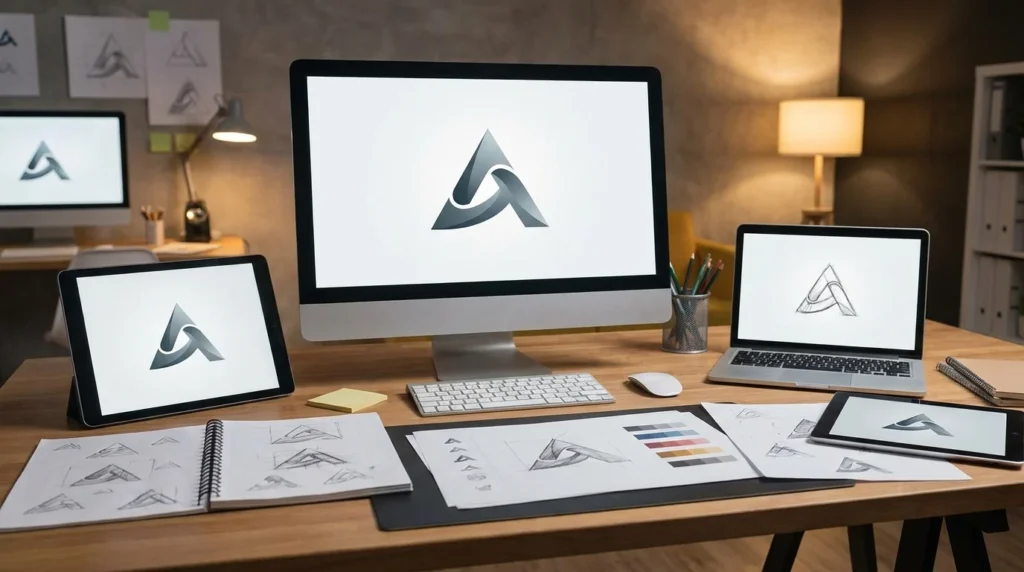
Explore the advantages of iterative logo design, a process that refines brand identity through continuous improvement and feedback.
Iterative logo design is a dynamic approach to creating logos where feedback and continuous improvement play crucial roles. Unlike traditional methods, iterative design involves frequent revisions and testing to ensure the final product aligns with client expectations and brand identity. This method not only enhances creativity but also increases efficiency, making it a preferred choice for modern logo designers.
Understanding Iterative Logo Design
At its core, iterative logo design involves a cycle of designing, testing, and refining. The process begins with generating an initial concept, which is then evaluated and modified based on feedback. This cycle continues until a satisfactory design is achieved. By embracing change and adaptation, designers can explore various creative possibilities, resulting in a logo that truly represents the brand.
Advantages of Iterative Design
One of the primary benefits of iterative logo design is its ability to incorporate feedback from various stakeholders. This approach ensures that the logo resonates well with its intended audience and aligns with the brand’s vision. Additionally, iterative design allows for the exploration of diverse ideas, fostering creativity and innovation throughout the process.
Enhancing Brand Identity
Iterative design plays a significant role in enhancing brand identity. By continuously refining the logo, designers can ensure that it effectively communicates the brand’s values and message. This alignment not only strengthens brand recognition but also builds trust and loyalty among consumers. For more insights on maintaining brand consistency, visit The Importance of Consistency in Logo Design for Brand Identity.
Efficiency and Flexibility
Another benefit of iterative design is its efficiency and flexibility. By breaking down the design process into manageable stages, designers can quickly identify and address potential issues. This method also allows for greater flexibility in adapting to changing market trends or client preferences, ensuring the logo remains relevant and effective in a dynamic environment.
The Role of Digital Tools
Digital tools have significantly impacted the iterative design process, making it more efficient and accessible. These tools enable designers to easily create, test, and modify designs, streamlining the entire process. To learn more about the impact of digital tools on traditional design practices, check out The Impact of Digital Tools on Traditional Logo Design Practices.
Conclusion
In conclusion, iterative logo design offers numerous benefits, including enhanced creativity, efficiency, and alignment with brand identity. By embracing this approach, designers can create logos that not only meet client expectations but also stand out in a competitive market. As digital tools continue to evolve, the potential for innovative and dynamic logo designs will only increase, further solidifying the importance of iterative design in the creative industry.
Incorporating User Testing in Iterative Design
User testing is an integral component of the iterative design process, offering invaluable insights that guide the refinement of logo concepts. By incorporating real-world feedback, designers can ensure that the logo resonates with its target audience and effectively communicates the desired brand message. This step involves presenting the logo to a sample group representative of the target market and gathering their responses.
Through user testing, designers can uncover potential issues such as misinterpretations of the logo’s symbolism or aesthetic preferences that may not align with the brand’s vision. By addressing these insights early in the design process, designers can make informed adjustments that enhance the logo’s appeal and effectiveness.
Moreover, user testing allows for the identification of emotional responses elicited by the logo, providing a deeper understanding of how it is perceived. This feedback can significantly influence the design’s direction, ensuring that the final product resonates emotionally with its audience, thereby strengthening brand connection and loyalty.
Fostering Collaboration and Communication
Iterative design inherently fosters collaboration and communication among team members, stakeholders, and clients. This collaborative environment is crucial for creating a logo that accurately reflects the brand’s values and objectives. Throughout the iterative process, open lines of communication enable the exchange of ideas and feedback, leading to a more cohesive and well-rounded design outcome.
For instance, regular meetings and review sessions during the design process can help ensure that all parties are aligned on the project’s goals and progress. This collaboration not only keeps the project on track but also encourages a shared sense of ownership over the final design, enhancing satisfaction among all involved.
Additionally, collaboration in iterative design encourages the pooling of diverse perspectives and expertise. By integrating insights from various disciplines, such as marketing, branding, and graphic design, the logo can be developed with a holistic approach, ensuring it effectively serves its intended purpose across different platforms and mediums.
In summary, the iterative design process leverages the power of collaboration and communication to create a more robust and successful logo. By prioritizing these elements, designers can produce a final product that not only meets but exceeds expectations, providing a competitive edge in the marketplace.
Adapting to Technological Advancements
The landscape of logo design is continually evolving, influenced by technological advancements that offer new possibilities in the creative process. Iterative design is well-suited to adapt to these changes, allowing designers to integrate the latest technologies into their workflow seamlessly. For example, the use of artificial intelligence and machine learning in design software enables more sophisticated analysis of design elements and user feedback, facilitating more precise refinements.
Furthermore, technologies such as augmented reality (AR) and virtual reality (VR) present innovative ways to test and showcase logos in dynamic environments. These technologies allow designers to visualize how a logo will appear in real-world applications, providing additional context that can inform design decisions.
By staying attuned to technological advancements and incorporating them into the iterative design process, designers can maintain a competitive edge, continually pushing the boundaries of creativity and innovation in logo creation.