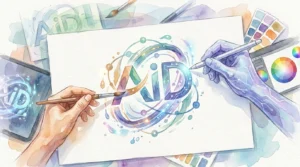
Integrating AI with Traditional Logo Design Techniques
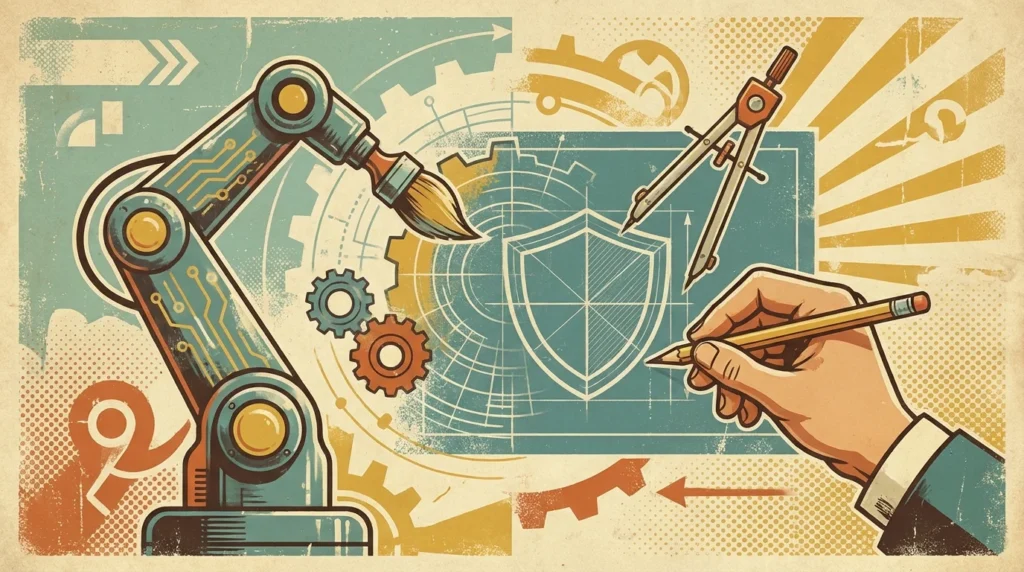
Explore how AI logo design integration enhances traditional techniques, offering innovative solutions for modern branding.
In the realm of logo design, the integration of artificial intelligence (AI) with traditional techniques is revolutionizing how designers create impactful and enduring brand symbols. This fusion not only enhances design efficiency but also opens new avenues for creativity and precision. As businesses seek to establish distinctive identities in a competitive market, understanding the synergies between AI and traditional design methods becomes increasingly crucial.
Understanding AI’s Role in Logo Design
AI technology in logo design offers a plethora of tools that streamline the design process. From generating design concepts to automating repetitive tasks, AI assists designers in focusing on the creative aspects of their work. Machine learning algorithms, for instance, can analyze design trends and suggest unique styles tailored to specific brand needs. This capability allows designers to experiment with various elements, such as color schemes and typography, more efficiently.
Enhancing Creativity with AI Tools
While AI offers automation and speed, it also serves as a catalyst for creativity. By analyzing vast datasets, AI can inspire designers with unconventional design combinations that might not have been considered otherwise. These tools can suggest novel interpretations of traditional elements, leading to the creation of logos that are both innovative and rooted in timeless design principles.
Maintaining Artistic Integrity
Despite the impressive capabilities of AI, maintaining artistic integrity is paramount. Traditional logo design techniques emphasize the importance of human intuition and creativity, which remain irreplaceable. Designers must balance AI’s efficiency with their personal artistic touch to ensure the final product resonates with the intended audience. By blending AI’s analytical power with human creativity, designers can craft logos that are not only visually appealing but also emotionally compelling.
Case Study: Successful AI and Traditional Design Integration
Several brands have successfully integrated AI with traditional design techniques to create memorable logos. For instance, a recent project involved using AI to analyze consumer preferences and cultural trends, which informed the design direction for a global brand. This approach resulted in a logo that was both modern and sensitive to cultural nuances, demonstrating the potential of AI in enhancing traditional design methods.
Challenges and Considerations
Integrating AI into traditional logo design is not without challenges. Designers must navigate issues such as data privacy and the ethical implications of AI decision-making. Moreover, the reliance on AI tools can sometimes overshadow the designer’s creative input. To mitigate these challenges, it is essential for designers to remain actively involved in every stage of the design process, ensuring that AI serves as a supportive tool rather than a replacement for human creativity.
The Future of AI and Traditional Logo Design
Looking ahead, the collaboration between AI and traditional logo design is poised to become more seamless. As AI technologies continue to evolve, they will offer even more sophisticated tools that enhance the design process. Designers who embrace these advancements will be well-equipped to meet the demands of a dynamic market, creating logos that are not only aesthetically pleasing but also strategically aligned with brand goals.
For further insights into the impact of AI on traditional design practices, explore The Impact of AI on Traditional Logo Design Techniques and discover how AI is transforming the freelance logo design industry here.
AI-Driven Customization and Personalization
One of the standout benefits of integrating AI with traditional logo design techniques is the ability to offer highly customized and personalized design solutions. AI can analyze vast amounts of data, including customer preferences, industry trends, and competitive landscapes, to create logos that are uniquely tailored to a brand’s identity and audience. This level of personalization is often difficult to achieve with traditional methods alone, where designers might rely more heavily on intuition and manual research.
AI tools can help designers produce multiple iterations of a logo quickly, each one fine-tuned to different demographic segments or market conditions. For example, AI can suggest variations that emphasize different brand attributes, such as luxury, sustainability, or innovation, based on target audience analysis. This capability allows brands to maintain a cohesive identity while still resonating with diverse consumer bases.
Fostering Collaboration Between Designers and AI
As AI technologies become more integrated into the design process, a new paradigm of collaboration between human designers and AI systems is emerging. Rather than viewing AI as a replacement for human creativity, successful design teams see it as a collaborative partner that can augment human skills and insights.
By automating routine tasks such as resizing or rendering, AI frees up designers to focus on the more nuanced aspects of design, such as conceptualization and storytelling. Furthermore, AI can serve as a brainstorming partner, offering unexpected ideas or drawing connections between seemingly unrelated concepts. This collaborative environment encourages designers to push the boundaries of traditional design approaches, exploring new aesthetic possibilities and refining their creative processes.
Moreover, AI can facilitate better communication and collaboration within design teams by providing a common platform for sharing insights and feedback. Design teams can use AI tools to simulate how different logo designs might perform in real-world scenarios, allowing for more informed decision-making and cohesive team alignment.