Exploring the Impact of AI on Collaborative Logo Design
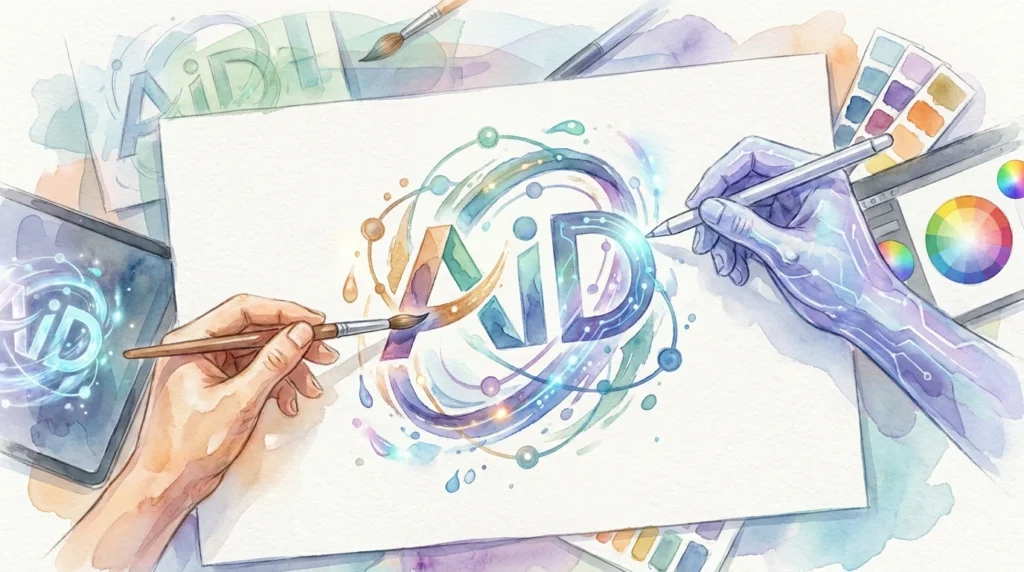
Discover how AI is revolutionizing collaborative logo design, enhancing creativity and efficiency in the process.
The fusion of artificial intelligence (AI) with collaborative logo design is reshaping the creative landscape. This integration is not only enhancing efficiency but also unlocking new levels of creativity among design teams. By leveraging AI, designers can collaborate more effectively, streamline workflows, and produce innovative results that align with brand objectives.
The Role of AI in Modern Design Collaboration
AI is transforming the way design teams work together. With tools that facilitate real-time feedback and suggestions, designers can now collaborate more dynamically. AI-driven platforms allow team members to contribute simultaneously, reducing the lag time traditionally associated with collaborative efforts. This efficiency enables teams to focus more on creativity and less on logistical challenges.
Enhancing Creativity Through AI-Driven Insights
One of the most significant advantages of incorporating AI into collaborative logo design is the enhancement of creative insights. AI tools can analyze trends, suggest color palettes, and propose design variations based on the latest market data. This capability allows designers to explore a broader range of ideas and inspirations, ultimately leading to more innovative logo designs.
Streamlining Workflow with AI Tools
AI tools are streamlining the workflow in collaborative logo design by automating repetitive tasks. For instance, AI can handle tasks such as resizing images or adjusting layouts, freeing up designers to focus on more intricate design elements. This automation not only saves time but also reduces the potential for human error, ensuring a more polished final product.
Real-Time Feedback and Iteration
In collaborative environments, receiving timely feedback is crucial. AI facilitates this by providing real-time suggestions and adjustments during the design process. This capability allows teams to iterate designs quickly, improving the final outcome. Designers can experiment with different concepts without the fear of wasting time, as AI ensures that every change is efficiently incorporated.
Improving Communication Among Team Members
AI enhances communication within design teams by offering platforms that integrate various communication tools. These platforms ensure that all team members are on the same page, reducing misunderstandings and enhancing the overall quality of the design. The ability to track changes and provide instant feedback fosters a more cohesive design process.
The Future of Collaborative Logo Design with AI
As AI technology continues to evolve, its impact on collaborative logo design will only grow. Future advancements promise even more sophisticated tools that can predict design trends and provide deeper insights. By embracing these innovations, design teams can continue to push the boundaries of creativity and efficiency in logo design.
In conclusion, the integration of AI into collaborative logo design offers numerous benefits, from enhancing creativity to streamlining workflows. As designers continue to adopt these technologies, they will be better equipped to create logos that are not only visually appealing but also strategically aligned with brand goals. For further exploration of AI’s impact on creative design, consider this article.
AI-Based Customization and Personalization
AI is revolutionizing the way logos can be customized and personalized to meet specific client needs. Through advanced algorithms, AI tools can analyze a brand’s unique characteristics and suggest tailor-made design elements that align with the brand’s identity. These tools can process vast amounts of data, including customer preferences, industry trends, and competitive analysis, to offer design recommendations that are highly relevant and personalized.
For example, AI can suggest specific fonts, color schemes, and iconography that resonate with a target audience, ensuring the logo design speaks directly to the intended demographic. This level of customization was previously time-consuming and required extensive research, but AI makes it efficient and accurate. This personalized approach not only enhances client satisfaction but also strengthens brand identity in a competitive market.
Moreover, AI-driven personalization allows for rapid adjustments and iterations based on real-time feedback, enabling designers to refine logos until they perfectly capture the brand’s essence. This flexibility is invaluable in collaborative environments where client feedback is integral to the design process.
AI in Predictive Design Analysis
Another groundbreaking application of AI in collaborative logo design is predictive design analysis. By leveraging machine learning and data analytics, AI tools can predict the potential success of a logo design before it is finalized. These tools analyze patterns and historical data to provide insights into how a particular design might perform in the market.
Predictive design analysis can evaluate factors such as color psychology, cultural relevance, and visual impact, offering data-driven predictions on audience engagement and brand recall. This allows design teams to make informed decisions early in the design process, reducing the risk of launching a logo that does not resonate with its audience.
In addition, predictive analysis can forecast design trends, enabling teams to stay ahead of the curve by integrating elements that will likely gain popularity. This foresight is invaluable in ensuring that logos remain relevant and contemporary, providing a competitive edge in ever-evolving markets.
By incorporating these predictive insights, design teams can optimize their creative strategies, enhancing both the aesthetic and strategic elements of logo design. This not only improves the quality of the output but also aligns the design more closely with business objectives, maximizing the return on investment for clients.