Creating Logos that Reflect Local Culture and Heritage
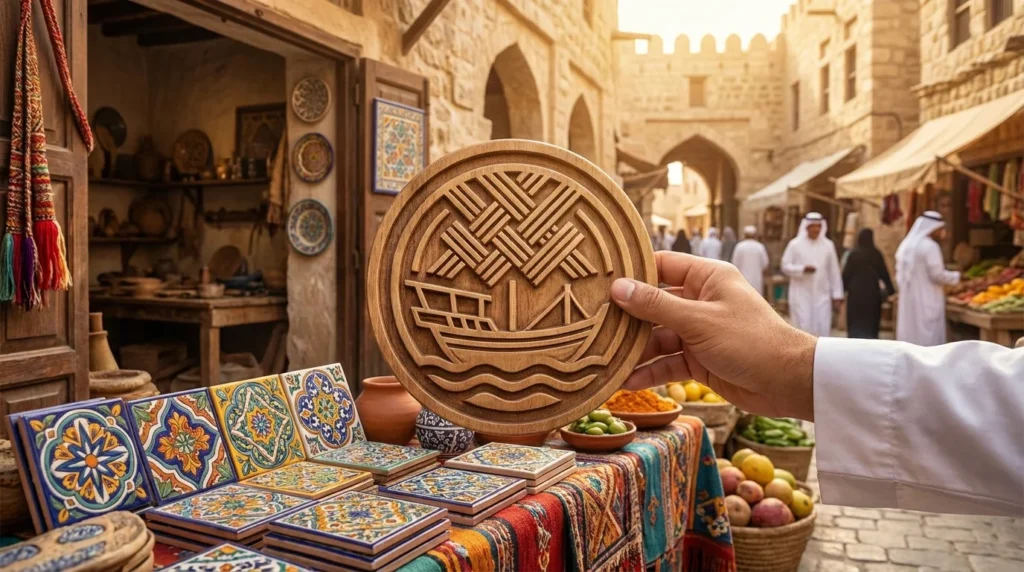
Discover how to create logos that embrace local culture and heritage, enhancing brand identity and community connection.
In today’s globalized world, brands strive to stand out by establishing unique identities that resonate with their audiences. One powerful way to achieve this is by integrating local culture and heritage into logo design. Such logos not only enhance brand identity but also foster a stronger connection with the community.
Understanding the Importance of Cultural Identity
Incorporating local culture into a logo design goes beyond aesthetics. It involves capturing the essence of a place, its people, and its history. Cultural identity is a significant aspect of how a community views itself and is viewed by others. A logo reflecting these elements can evoke a sense of pride and belonging, creating an emotional bond with the target audience. This approach is particularly beneficial for brands operating in culturally rich regions, where local customs and traditions play a pivotal role in daily life.
Researching Local Symbols and Traditions
The first step in creating a culturally reflective logo is thorough research. Understanding the local symbols, colors, and traditions can provide invaluable insights into the culture. For example, a designer working on a logo in India might explore traditional motifs like the lotus flower or the peacock, both of which hold cultural significance. Similarly, a logo for a business in Japan might incorporate elements of nature or traditional calligraphy. By using culturally significant symbols, a brand can communicate its commitment to respecting and honoring local traditions.
Incorporating Traditional Art Forms
Traditional art forms can serve as a rich source of inspiration for logo design. Techniques such as weaving patterns, pottery designs, or indigenous art can be creatively integrated into modern logo aesthetics. This not only helps preserve cultural heritage but also adds a unique visual appeal to the brand. For instance, using Aboriginal art styles in an Australian company’s logo can highlight the nation’s indigenous roots. Such designs can attract customers looking for authenticity and cultural depth in the brands they support.
Balancing Modernity with Tradition
While it is essential to incorporate cultural elements, striking a balance between tradition and modernity is crucial. A logo should not only respect and reflect the past but also appeal to contemporary audiences. Designers must ensure that the logo remains relevant and easily recognizable across various platforms and media. This might involve simplifying traditional patterns or using modern typography alongside cultural symbols to create a harmonious blend that appeals to both local and global audiences.
Case Studies: Successful Cultural Logos
Several brands have successfully leveraged local culture in their logo designs. For example, a Thai restaurant chain might use traditional Thai motifs and colors to evoke a sense of authenticity and cultural richness. This approach can be seen in the logos of some global brands that have adapted their identities to reflect local cultures in different markets. By doing so, they not only enhance their appeal but also demonstrate respect and appreciation for the host culture, fostering goodwill and loyalty among local consumers.
Challenges and Considerations
Despite the benefits, designing logos that reflect local culture comes with challenges. Designers must navigate cultural sensitivities and avoid stereotypes. Misrepresentation or misuse of cultural symbols can lead to backlash and damage a brand’s reputation. Therefore, engaging with local communities during the design process can provide valuable feedback and ensure cultural accuracy. Additionally, designers should stay informed about the evolving cultural landscape, as symbols and their meanings may change over time.
For more insights on designing culturally reflective logos, explore our guide on designing logos that reflect environmental responsibility and consider the broader impact of your design choices.
Engaging with Local Artists and Experts
To create a logo that genuinely mirrors local culture and heritage, involving local artists and cultural experts can be invaluable. These individuals possess a deep understanding of the subtle nuances and historical context of cultural symbols that may not be immediately apparent to outsiders. Collaborating with local artists can ensure that the design process is both inclusive and respectful, while also offering fresh perspectives and creative ideas that authentically represent the community’s identity.
Furthermore, cultural experts can provide guidance on the appropriateness of certain symbols and motifs, helping to avoid cultural missteps. Their insights can also be instrumental in understanding how different elements of the culture have evolved over time, allowing for a more dynamic and contemporary interpretation in the logo design. This collaborative approach not only enriches the design process but also strengthens community ties, as it demonstrates a commitment to cultural authenticity and respect.
Utilizing Local Typography Styles
Typography is another crucial aspect of logo design that can reflect local culture. Fonts and lettering styles often carry historical and cultural significance unique to a region. For example, calligraphic styles in the Middle East or Latin American script styles can be incorporated to evoke a sense of place and tradition. By utilizing typography that resonates with local cultural aesthetics, designers can create a logo that feels organically connected to its cultural roots.
When selecting typography, it is important to consider legibility and adaptability across different media. A font that is too intricate might lose its impact when scaled down or used across digital platforms. Thus, designers should aim for a balance where the typography maintains its cultural essence while being versatile and functional. This might involve the creation of custom fonts that blend traditional elements with modern design principles, ensuring the logo remains both culturally expressive and visually effective.