How AI is Shaping the Future of Logo Redesign
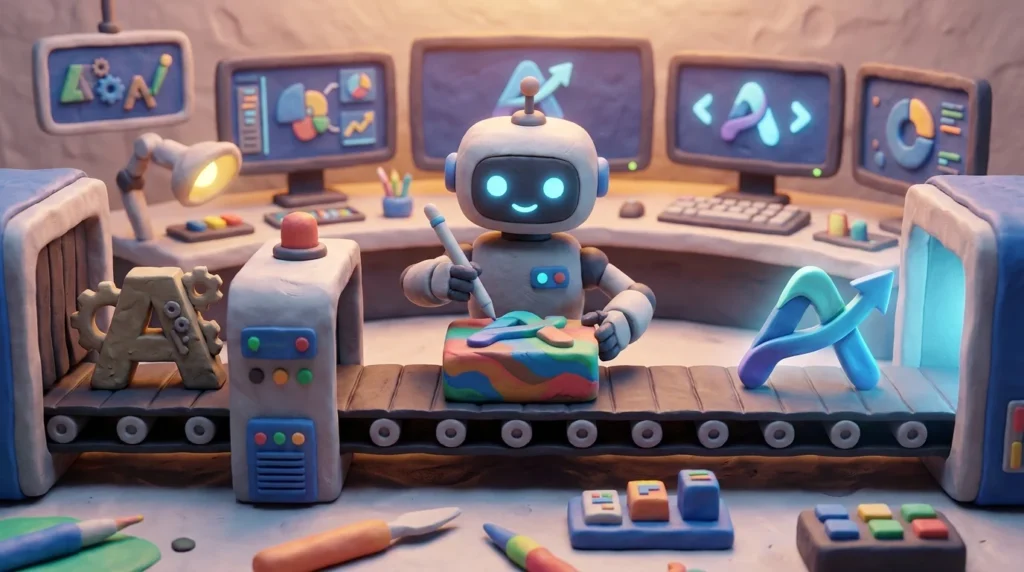
Explore how AI is revolutionizing logo redesign, making it more efficient and innovative.
The world of logo design is undergoing a transformative phase with the advent of artificial intelligence (AI). AI logo redesign is not just a trend but a revolution, reshaping how brands present themselves visually. This new wave of technology is providing designers with innovative tools to create logos that are not only aesthetically pleasing but also highly functional.
The Rise of AI in Logo Redesign
AI’s integration into logo redesign processes is gaining momentum due to its ability to analyze vast amounts of data quickly and accurately. This capability allows designers to understand market trends and consumer preferences better than ever before. By leveraging AI, designers can create logos that resonate with target audiences more effectively. AI can process historical data to predict future design trends, ensuring that logos remain relevant for years to come.
Customization and Personalization
One of the most significant advantages of AI in logo redesign is the ability to offer customization and personalization at scale. AI tools can generate multiple design variations based on a brand’s specific needs and preferences. This flexibility allows businesses to test different designs and choose the one that best aligns with their brand identity. Moreover, AI can provide insights into color schemes, typography, and design elements that work well together, enhancing the overall visual appeal.
Efficiency in the Design Process
AI-powered tools streamline the logo redesign process by automating routine tasks that traditionally consumed a lot of time. Tasks such as adjusting proportions, selecting color palettes, and testing different layouts can be efficiently managed by AI, allowing designers to focus more on creativity and innovation. This efficiency not only speeds up the design process but also reduces costs, making professional logo redesign accessible to businesses of all sizes.
AI and Iterative Design
AI supports an iterative design process, which is crucial for refining logos to perfection. Through iterative design, AI tools can continuously analyze user feedback and market responses to make informed adjustments to logo designs. This approach ensures that the final design is not only visually appealing but also effective in conveying the brand’s message. The benefits of iterative design in logo creation cannot be overstated, as they lead to logos that truly resonate with audiences.
Case Studies: Successful AI Logo Redesigns
Several brands have successfully integrated AI into their logo redesign processes. For instance, a global e-commerce platform utilized AI to refresh its logo, resulting in a design that better conveyed its innovative spirit and commitment to customer satisfaction. The new logo not only improved brand recognition but also increased customer engagement. These case studies highlight how AI can lead to successful logo redesigns that enhance brand identity and market presence.
Future Prospects of AI in Logo Design
The future of AI in logo redesign looks promising, with continuous advancements in AI technology promising even more sophisticated design capabilities. As AI tools become more advanced, they will likely offer even greater levels of creativity and precision, further transforming the landscape of logo design. For businesses looking to stay ahead of the curve, embracing AI in their logo redesign processes will be essential. To explore more about how AI tools are shaping the future of logo design, visit The Future of Logo Design.
AI-Driven Emotional Intelligence in Logo Design
One of the emerging aspects of AI in logo redesign is the development of AI-driven emotional intelligence. This technology enables AI systems to understand and predict emotional responses to design elements, which can significantly enhance a logo’s impact. By analyzing data from consumer interactions and feedback, AI can suggest design modifications that evoke specific emotions, such as trust, excitement, or nostalgia. This capability is particularly beneficial for brands aiming to create a strong emotional connection with their audience through their visual identity.
AI’s ability to gauge emotional responses is rooted in its capacity to process vast amounts of data from diverse sources, including social media platforms, customer reviews, and market research studies. By synthesizing this data, AI can identify patterns and preferences that might not be immediately apparent to human designers. This insight allows for the creation of logos that are not only visually appealing but also emotionally resonant, fostering a deeper connection between the brand and its consumers.
Collaboration Between AI and Human Designers
While AI offers remarkable capabilities, the role of human designers remains crucial in the logo redesign process. The collaboration between AI and human creativity leads to the production of logos that blend technical precision with artistic flair. Human designers bring a nuanced understanding of cultural contexts, brand history, and aesthetic nuances that AI alone might overlook.
AI serves as a powerful tool that enhances the designer’s creative process by providing data-driven insights and eliminating repetitive tasks. Designers can leverage AI-generated suggestions to explore new design possibilities they might not have considered initially. This collaborative approach allows designers to push creative boundaries, ensuring that the final logo design is both innovative and aligned with the brand’s vision and values.
Furthermore, the partnership between AI and designers facilitates a more inclusive design process. AI tools can help overcome unconscious biases by offering diverse design options that appeal to a wide range of audiences. This inclusivity is vital for brands seeking to reach global markets and diverse demographic groups effectively.