Designing Logos for Startups: What You Need to Know
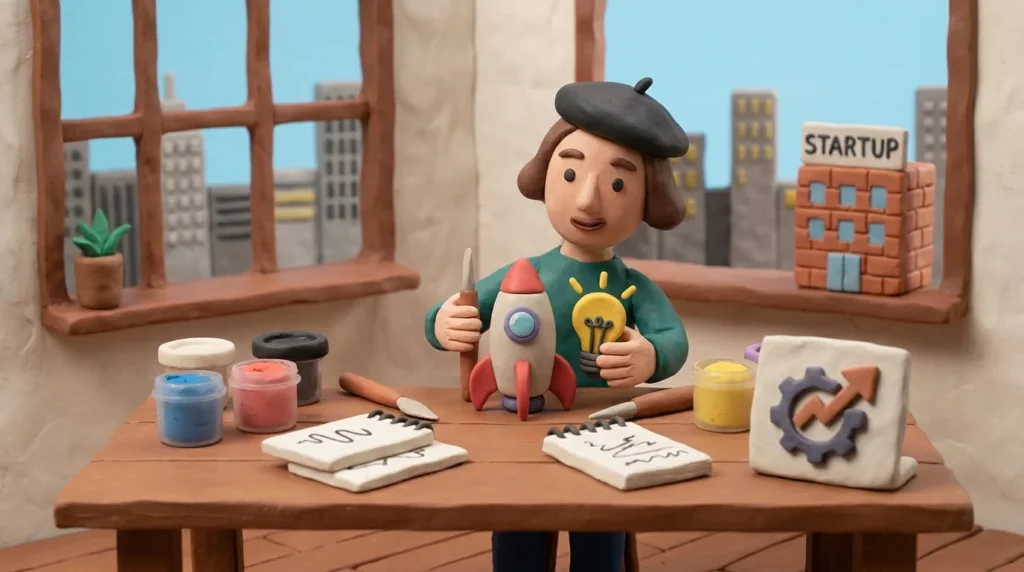
Learn essential strategies for effective startup logo design, from understanding brand identity to leveraging modern design trends.
Starting a new business comes with countless challenges, and creating a memorable logo is one of them. A well-designed logo can set the tone for your brand and help you stand out in a crowded market. For startups, understanding the fundamentals of logo design is crucial to building a strong brand identity.
Understanding Your Brand Identity
The first step in designing a logo for a startup is understanding your brand identity. This involves knowing what your business stands for, who your target audience is, and how you want to be perceived in the market. A logo should encapsulate the essence of your brand, making it essential to clearly define your brand’s values and mission. Consider how these elements can be visually represented through colors, shapes, and typography. A well-defined brand identity will guide the design process, ensuring the logo aligns with your business goals.
Choosing the Right Design Elements
Once you have a clear understanding of your brand identity, the next step is selecting the appropriate design elements. This includes choosing the right colors, fonts, and symbols that resonate with your audience. Color psychology plays a significant role in logo design, as different colors evoke different emotions and associations. For instance, blue often conveys trust and professionalism, while green is associated with growth and sustainability. Consider referencing Color Psychology in Logo Design: What Each Color Says About Your Brand for more insights.
Keeping Up with Design Trends
Staying informed about current design trends can help your logo appear modern and relevant. While it’s important to create a timeless logo, incorporating contemporary design elements can give your brand a fresh look. Minimalism, for example, is a popular trend that focuses on simplicity and clarity. Additionally, the use of gradients and dynamic shapes can add depth and interest to your logo. Explore the Logo Design Trends 2026: What’s Working for Modern Startups to stay ahead of the curve.
Ensuring Versatility and Scalability
A startup logo must be versatile and scalable, as it will be used across various platforms and marketing materials. It should look great on a business card, a billboard, or a social media profile. Designing a logo in a vector format ensures it can be resized without losing quality. Also, consider how your logo will appear in black and white, as it might not always be displayed in color. A versatile logo will maintain its integrity regardless of the medium.
Getting Feedback and Iterating
Design is an iterative process, and gathering feedback is an important part of refining your logo. Share your initial designs with trusted colleagues, mentors, or even potential customers to gain different perspectives. Constructive criticism can highlight areas for improvement and inspire new ideas. Iterating on your design based on feedback ensures that the final product resonates with your target audience and accurately represents your brand.
Leveraging Technology and AI
In today’s digital age, technology and AI tools can simplify the logo design process for startups. These tools offer a range of templates and customization options that can help in creating a unique and professional logo without the need for extensive design skills. AI-driven platforms provide insights and suggestions based on current design trends and best practices. For startups with limited resources, leveraging these tools can be a cost-effective way to produce a high-quality logo. Learn more about this in How AI Is Democratizing Logo Design for Small Businesses.
Understanding Cultural and Market Context
When designing a logo for a startup, it’s critical to consider the cultural and market context in which your business will operate. A logo that resonates well in one culture may not have the same impact or might even be misunderstood in another. Understanding the cultural nuances and values of your target market can inform design choices, such as symbols and colors, which may carry different meanings across cultures. For instance, while white is often associated with purity and simplicity in Western cultures, it may symbolize mourning in certain Eastern cultures. Conducting thorough market research and potentially consulting with cultural experts can help avoid these pitfalls and ensure your logo communicates the intended message.
Adapting to Diverse Market Needs
In addition to cultural considerations, adapting your logo to meet the diverse needs of different market segments can enhance brand appeal. This might involve creating variations of your logo to cater to regional preferences or specific demographics. For example, a startup entering both youthful urban and conservative rural markets may consider slight modifications in color intensity or typography to align with the visual expectations and tastes of these audiences. The key is to maintain a cohesive brand identity while allowing flexibility to connect meaningfully with diverse customer bases.
Establishing Emotional Connection
A successful logo doesn’t just represent a brand; it also establishes an emotional connection with its audience. This connection is achieved by designing a logo that evokes the right feelings and associations. Storytelling can be a powerful tool in this regard. Consider the narrative behind your brand and how it can be symbolized in your logo. A narrative-driven design can transform a simple image into a meaningful emblem that customers relate to on a personal level.
- Symbolism: Use symbols that reflect the brand story or core values. For instance, a tech startup focused on innovation might incorporate elements of progress or forward-thinking in its logo.
- Emotional Colors: Choose colors that evoke the desired emotional response. Warm colors like red or orange can create excitement, while cooler tones like blue or green can promote calmness and trust.
- Typography: The style of typography can also convey emotions. Rounded fonts may feel approachable and friendly, whereas serif fonts often suggest professionalism and tradition.
Ultimately, a logo that resonates emotionally can foster brand loyalty and enhance customer engagement, playing a pivotal role in the startup’s long-term success.