Exploring the Use of Abstract Art in Modern Logo Design
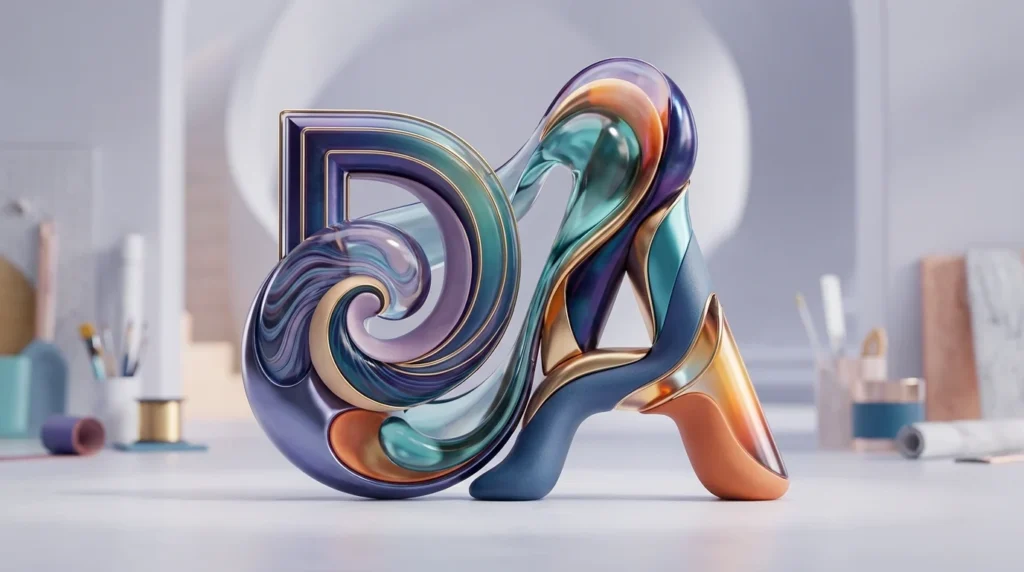
Discover how abstract art influences modern logo design by fostering creativity and brand identity.
Abstract art has long been celebrated for its ability to evoke emotion and provoke thought without being tied to recognizable subjects. This unique quality makes it a powerful tool in modern logo design, where brands seek to communicate complex ideas and values in a simple, yet striking manner. By utilizing abstract elements, designers can craft logos that stand out in a crowded marketplace and resonate deeply with audiences.
The Appeal of Abstract Art in Logo Design
One of the primary reasons abstract art is so appealing in logo design is its versatility. Unlike literal designs that depict specific images or objects, abstract logos allow for a broader interpretation, enabling brands to convey a wide range of concepts and emotions. This flexibility is particularly advantageous in today’s global market, where brands often aim to reach diverse audiences with varying cultural backgrounds and perspectives.
Creating Emotional Connections
Abstract art often relies on color, shape, and form to evoke emotions, making it an ideal choice for brands looking to establish an emotional connection with their audience. Colors can convey warmth, excitement, trust, and other emotions, while shapes can suggest movement, stability, or innovation. By strategically combining these elements, designers can create a logo that not only captures attention but also fosters a deeper emotional bond with the viewer.
Enhancing Brand Identity
Incorporating abstract art into logo design can significantly enhance a brand’s identity. Abstract logos are often memorable due to their unique and unconventional appearance, which helps them stand out from more traditional designs. This distinctiveness can be a key factor in building brand recognition and loyalty. Moreover, abstract logos often embody the core values and vision of a brand in a way that is both subtle and powerful.
Abstract Art and Minimalism
There is a strong synergy between abstract art and minimalist design principles. Both approaches emphasize simplicity and the use of essential elements to convey meaning. Many abstract logos adopt minimalist aesthetics, stripping down complex ideas to their most fundamental forms. This not only aids in creating a clean and sophisticated look but also ensures the logo remains versatile across various mediums and applications. For insights on minimalist design, visit Exploring Minimalist Logo Design: Less is More.
Case Studies: Successful Abstract Logos
Several well-known brands have successfully harnessed the power of abstract art in their logos. For instance, the iconic Nike swoosh is a simple yet impactful abstract design that conveys motion and speed, aligning perfectly with the brand’s identity. Similarly, the Pepsi logo uses abstract shapes and vibrant colors to evoke a sense of energy and refreshment. These examples demonstrate how abstract art can be effectively used to create logos that are not only visually appealing but also deeply connected to a brand’s ethos.
Designing Your Abstract Logo
When incorporating abstract art into your logo design, it’s crucial to focus on the core message you wish to convey. Consider how different abstract elements like lines, shapes, and colors can represent your brand’s values and objectives. Collaborating with a skilled designer can help translate abstract concepts into a cohesive and compelling logo. Additionally, leveraging technology and AI tools can streamline the design process, as explored in Exploring the Intersection of AI and Creative Logo Design.
The Role of Abstract Art in Rebranding Efforts
Rebranding is a critical strategy for companies looking to modernize their image, reach new audiences, or shift their market position. Abstract art plays a significant role in these efforts by offering a fresh and contemporary aesthetic that can redefine a brand’s identity. Through the use of abstract elements, brands can effectively signal change and innovation, distancing themselves from past perceptions while embracing a new direction.
Abstract designs often symbolize transformation and growth, making them ideal for companies in transition. For example, a company looking to pivot towards more modern, tech-savvy offerings might adopt an abstract logo that emphasizes dynamic shapes and vibrant colors, suggesting innovation and forward-thinking. The fluidity and open interpretation of abstract art allow rebranded logos to maintain continuity with the brand’s history while clearly marking a new chapter.
Abstract Art in Digital and Social Media Branding
In the digital age, logos must be versatile enough to adapt to various platforms, from websites to social media profiles. Abstract art is particularly well-suited for this environment due to its inherent simplicity and adaptability. Abstract logos can be easily resized and reformatted without losing their impact, ensuring consistent brand representation across digital touchpoints.
On social media, where visual content competes for attention, abstract logos can capture viewers’ interest through their unique and memorable forms. The use of bold colors and dynamic shapes can make a logo stand out in a crowded feed, while the abstract nature allows users to interact with the brand on a more personal level, interpreting the logo in ways that resonate with their experiences and emotions.
Additionally, abstract logos can be animated for use in digital ads or interactive media, further enhancing their appeal and engagement. Animation can bring abstract elements to life, creating a sense of movement and excitement that reflects a brand’s energy and vitality.
Trends in Abstract Logo Design
As design trends evolve, abstract logos continue to adapt, incorporating new techniques and styles. One current trend is the use of gradients and layered textures, which add depth and dimension to abstract designs. These elements can create a more immersive visual experience, drawing viewers in and encouraging them to explore the brand’s story.
Another trend is the integration of organic shapes and lines, which can give abstract logos a more natural, fluid appearance. This approach is particularly popular among brands emphasizing sustainability or wellness, as it suggests harmony and balance. By staying attuned to these trends, designers can ensure that abstract logos remain relevant and compelling in an ever-changing market.