The Role of Augmented Reality in Interactive Logo Experiences
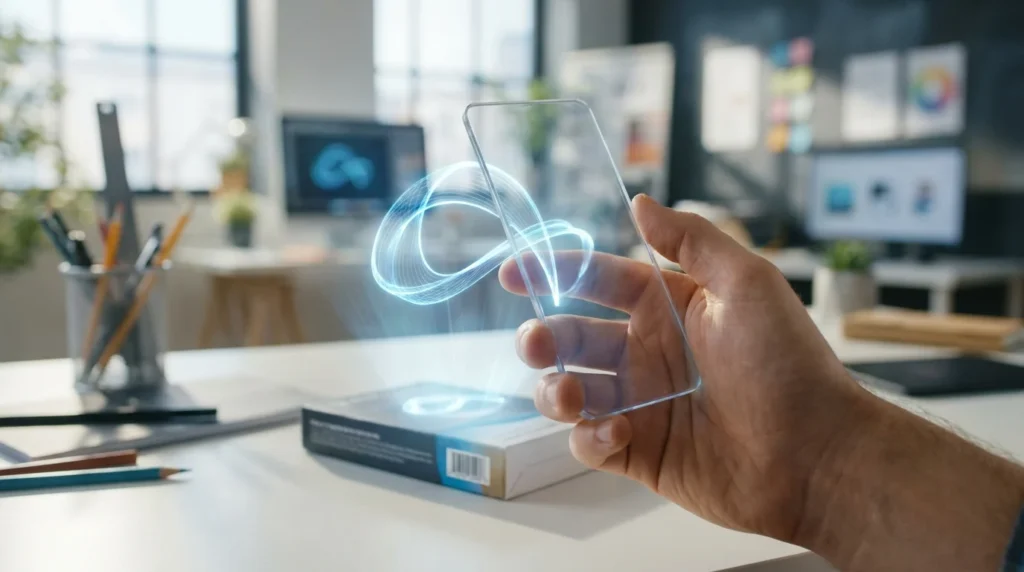
Explore how augmented reality is transforming logo experiences, creating engaging and dynamic interactions for brands.
The advent of augmented reality (AR) has revolutionized many aspects of digital interaction, and logo experiences are no exception. AR logo experiences offer an innovative way for brands to engage with their audience, creating immersive and interactive environments that bring logos to life.
Understanding Augmented Reality
Augmented reality is a technology that superimposes digital elements onto the real world, enhancing the user’s perception of their surroundings. In the context of logo design, AR allows brands to create dynamic experiences that go beyond traditional two-dimensional visuals. By integrating AR into their logos, companies can provide users with interactive content that is both engaging and memorable.
Enhancing Brand Engagement
AR logo experiences significantly enhance brand engagement by offering users a novel way to interact with brands. Unlike static logos, AR logos can respond to user inputs, change in real-time, and offer personalized content. This interactivity captivates users, encouraging them to spend more time engaging with the brand. For example, a user might scan a logo with their smartphone to unlock an AR experience that includes animations or product demonstrations.
Creating Memorable Interactions
One of the key benefits of AR in logo design is its ability to create memorable interactions. Augmented reality allows brands to tell their stories in a more compelling way, using immersive experiences that stick in the minds of consumers. By integrating AR, brands can create unique narratives around their logos, making them more distinctive and memorable. This can be particularly effective in crowded markets where differentiation is essential for success.
The Role of Technology in AR Logos
Technology plays a crucial role in the realization of AR logo experiences. Advanced AR software and hardware capabilities enable designers to create sophisticated interactions that were previously impossible. With the increasing availability of AR development platforms, even small brands can leverage this technology to enhance their logos. Furthermore, the integration of AI with AR can lead to more personalized experiences, as seen in The Role of AI in Personalized Logo Creation.
Challenges and Considerations
Despite the benefits, implementing AR logo experiences comes with challenges. Technical limitations, such as device compatibility and user accessibility, can hinder widespread adoption. Brands must also consider the cost of developing and maintaining AR experiences. Additionally, ensuring that AR interactions are seamless and intuitive is crucial to avoid frustrating users. Balancing creativity with usability is key to successful implementation.
Future Trends in AR Logo Design
The future of AR logo design is promising, with advancements in technology paving the way for more complex and engaging experiences. As AR becomes more integrated into everyday life, we can expect to see more brands adopting this technology to stand out in the market. The role of AR in enhancing interactive logo experiences will continue to grow, offering new opportunities for creativity and engagement.
In conclusion, AR logo experiences represent a significant evolution in brand interaction, offering unique opportunities for engagement and memorability. By embracing this technology, brands can create dynamic and immersive experiences that captivate their audience and differentiate themselves in a competitive landscape.
Expanding Accessibility Through AR Logos
One of the profound advantages of augmented reality in logo experiences is its potential to increase accessibility for a diverse audience. AR technology can be used to translate visual content into formats that are accessible to individuals with disabilities. For instance, AR applications can provide audio descriptions of logos for visually impaired users or incorporate sign language translations for those who are deaf or hard of hearing. By making logos interactive through AR, brands can ensure that their message reaches a broader audience, promoting inclusivity and enhancing user experience across different demographics.
Moreover, AR can bridge language barriers by offering real-time translations and culturally relevant content. When users interact with a logo through an AR application, they can receive information in their preferred language, making global branding efforts more cohesive and effective. This capability not only broadens the reach of a brand but also fosters a stronger connection with international consumers who appreciate content tailored to their needs.
Measuring the Impact of AR Logo Experiences
As with any marketing strategy, it is essential to measure the effectiveness of AR logo experiences. Brands can leverage various metrics to assess the impact of their AR initiatives. Engagement metrics such as the number of interactions, time spent on the AR experience, and user feedback can provide valuable insights into user interest and satisfaction. Additionally, data analytics can help track the conversion rates from AR interactions, revealing how these experiences influence purchasing decisions and brand loyalty.
Understanding user behavior through data collected from AR applications allows brands to refine and optimize their strategies. For instance, if a particular AR feature is underperforming, brands can analyze user feedback to identify potential improvements. This continuous feedback loop helps ensure that AR experiences remain relevant and engaging, aligning with evolving consumer preferences and technological advancements.
Furthermore, augmented reality provides a unique opportunity for real-time data collection. As users interact with AR logos, brands can gather instant feedback, allowing them to make on-the-fly adjustments to enhance the user experience. This agility in response not only improves user satisfaction but also helps brands stay ahead of trends and market shifts, ensuring that their AR strategies are not only innovative but also effective.