The Influence of Historical Trends on Modern Logo Design
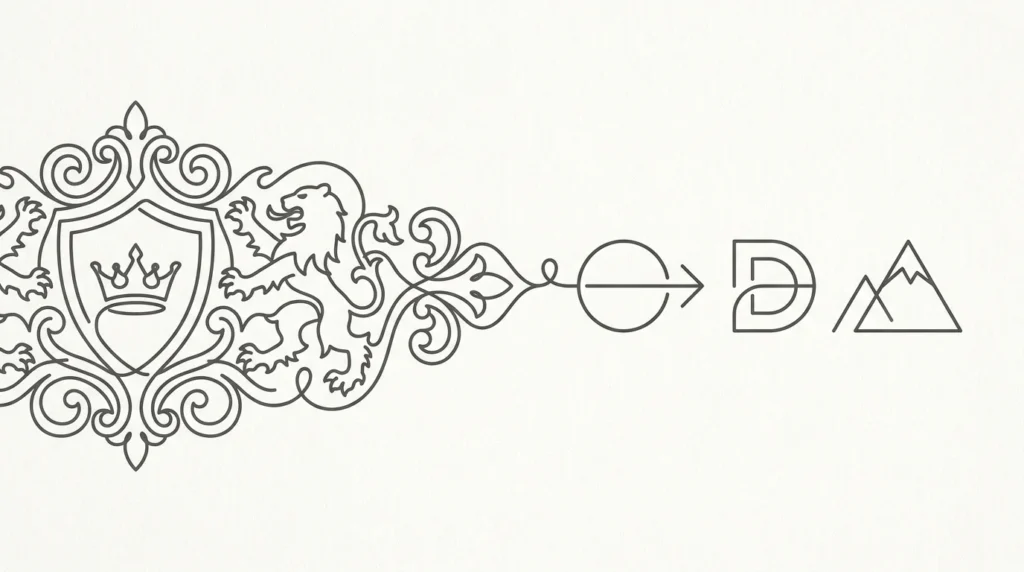
Explore how historical logo trends shape modern design, influencing aesthetics and brand identity.
Logos have evolved significantly over time, yet they continue to be influenced by historical trends. Understanding these influences can provide valuable insights into modern logo design, helping designers create more impactful and meaningful logos. In this article, we explore various historical logo trends and their lasting impact on today’s design practices.
The Roots of Logo Design
The history of logo design dates back to ancient times, where symbols and emblems were used to convey identity and authority. Ancient Egyptians used hieroglyphs, while medieval Europe saw the rise of heraldic symbols. These early forms of logos served as visual identifiers, establishing the foundation for modern branding. The simplicity and iconic nature of these early designs continue to inspire today’s logo designers.
Art Nouveau and Its Influence
The Art Nouveau movement in the late 19th and early 20th centuries brought a new aesthetic to logo design. Characterized by intricate lines and organic forms, this trend emphasized beauty and elegance. Many modern logos draw from this style, incorporating fluid shapes and intricate details to create visually appealing designs. By blending classic art elements with contemporary design, logos can achieve a timeless quality.
The Impact of Minimalism
Minimalism emerged in the mid-20th century as a response to the complexity of previous design trends. It focuses on simplicity, functionality, and clarity. This approach remains popular in modern logo design, as brands aim for clean and easily recognizable logos. The impact of minimalism is evident in logos that use simple shapes and limited color palettes to convey a clear and direct message, as discussed in Why Simplicity Is Key in Modern Logo Design.
Postmodernism and Playfulness
Postmodernism in the late 20th century challenged traditional design conventions by embracing eclectic styles and irony. This trend introduced playfulness and unpredictability into logo design, encouraging designers to experiment with unconventional shapes and colors. Modern logos often incorporate elements of postmodernism to create distinctive and memorable brand identities.
Digital Revolution and Its Effects
The digital age revolutionized logo design, introducing new tools and techniques. With the advent of digital design software, logos could be created with greater precision and creativity. This era also saw the rise of dynamic logos that adapt to different contexts and platforms. The digital revolution has made it easier for designers to experiment with new ideas, leading to innovative and versatile logo designs. For more on the impact of digital tools, visit The Impact of AI on Traditional Logo Design Techniques.
The Role of AI in Modern Logos
Artificial Intelligence is the latest innovation to influence logo design. AI tools enable designers to create unique concepts quickly and efficiently. By analyzing vast amounts of data, AI can predict trends and suggest design elements that resonate with audiences. The integration of AI in logo design represents a significant shift in how logos are conceptualized and executed, as explored in Exploring the Benefits of AI in Custom Logo Design.
In conclusion, modern logo design is deeply rooted in historical trends, drawing inspiration from various artistic movements and technological advancements. By understanding these influences, designers can create logos that are both innovative and timeless, ensuring their relevance in an ever-evolving marketplace.
The Fusion of Cultural Symbolism
The incorporation of cultural symbolism in logo design has been a powerful trend that continues to influence modern aesthetics. Cultural symbols carry deep meanings and associations, making them effective tools for creating logos that resonate with specific audiences. By incorporating elements from cultural heritage, designers can craft logos that evoke a sense of identity and belonging.
For instance, the use of indigenous patterns and motifs has gained popularity as brands seek to connect with local communities and acknowledge cultural diversity. This approach not only honors cultural traditions but also enhances the storytelling aspect of a brand. A logo that integrates cultural symbolism can serve as a bridge between the past and present, offering a narrative that is both rich and meaningful.
Moreover, the globalization of businesses has led to a blending of cultural influences in logo design. Designers often draw inspiration from multiple cultures to create logos that are globally appealing. This fusion of cultural elements allows brands to convey a sense of universality while maintaining unique cultural expressions.
The Influence of Retro and Vintage Styles
Retro and vintage styles have seen a resurgence in modern logo design, bringing nostalgia and familiarity to contemporary branding. These styles draw inspiration from various decades, often evoking a sense of nostalgia by mimicking the design aesthetics of a particular era. The popularity of retro and vintage logos can be attributed to their ability to evoke emotional connections with consumers who associate these styles with certain memories or periods.
Designers often utilize color palettes, typography, and graphic elements that are reminiscent of past eras, such as the bold, geometric shapes of the 1980s or the ornate, detailed designs of the Victorian era. This approach not only creates a sense of timelessness but also differentiates brands in a crowded marketplace by offering a distinct visual identity.
Furthermore, vintage-inspired logos can impart a sense of authenticity and trust, qualities that are increasingly sought after by consumers. By associating their brand with the perceived values of a bygone era, companies can create a narrative that emphasizes quality and tradition. This strategy is particularly effective for brands in industries such as food, fashion, and craft, where heritage and craftsmanship are highly valued.