Static branding is over – how AI enables real-time brands
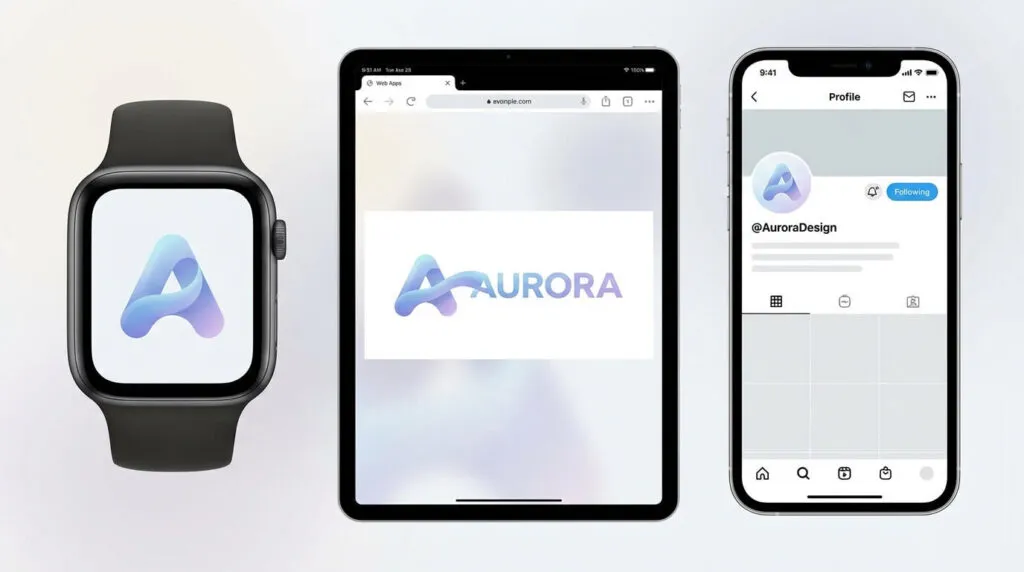
For decades, branding was treated as something fixed. A company designed its logo, finalized brand guidelines, and expected them to last for years. Change was expensive, slow, and often avoided unless absolutely necessary. That approach no longer fits the pace of modern business. In 2026, brands are expected to move as quickly as the products they represent. Markets shift overnight. Audiences evolve constantly. New platforms appear without warning. Static branding cannot keep up. As a result, branding itself is becoming dynamic – and AI is the technology making that possible.
Why Static Branding Is Breaking Down
Traditional branding was built on stability. Once a visual identity was approved, it was protected. Consistency meant repetition, not adaptation. But today, brands operate in environments that change continuously. A static identity struggles in a world where:
- products ship weekly
- marketing channels multiply
- user expectations shift rapidly
- global audiences engage simultaneously
- visual contexts change by platform and device
When branding cannot evolve, it becomes a constraint instead of a support system.
Branding as a Living System, Not a Finished Asset
Modern branding works less like a finished design and more like a living organism. It responds to context, feedback, and growth. Instead of asking “Is this brand final?”, companies now ask “Can this brand adapt without losing clarity?” This shift has given rise to dynamic brand identities that adjust their expression while maintaining a recognizable core. Logos vary. Colors shift subtly. Typography adapts to different environments. The brand remains the same, but its expression changes in real time.
How AI Changed the Speed of Brand Evolution
Before AI, evolving a brand required time, people, and money. Every change meant new briefs, new designs, and new approvals. AI removes that friction. AI-powered design tools allow brands to explore variations instantly, test different visual directions, and refine identity without restarting the entire process. This turns branding into an iterative workflow rather than a one-time decision. With AI, brand evolution becomes continuous instead of disruptive.
From Brand Guidelines to Brand Intelligence
Traditional brand guidelines are static documents. They explain what a brand should look like, but they do not help teams create new assets quickly or adapt visuals to new situations. AI introduces a new concept: brand intelligence. Instead of memorizing rules, teams rely on systems that generate brand-aligned visuals automatically. This reduces errors, speeds up production, and keeps branding consistent even as it evolves.
Why Startups and Scaleups Are Leading the Shift
Early-stage companies change faster than established ones. Their messaging sharpens, their audience becomes clearer, and their positioning evolves rapidly. Static branding slows this process. Dynamic branding accelerates it. Startups that use AI-powered branding tools can:
- test positioning visually
- adjust branding as products evolve
- stay consistent during rapid growth
- avoid costly rebrands
- launch faster with confidence
This flexibility is no longer optional. It is a competitive advantage.
Real-Time Branding Across Digital Touchpoints
Modern brands appear in many formats simultaneously:
- websites and landing pages
- mobile applications
- social media profiles
- marketing campaigns
- presentations and pitch decks
- digital products and interfaces
AI makes it possible to adapt branding across all these touchpoints without manual redesign. Visual identity evolves in parallel with the business, not behind it.
Where Desigun Fits Into Real-Time Branding
Desigun reflects this new reality. Instead of locking brands into a single outcome, it enables exploration, iteration, and refinement. With Desigun, founders and teams can:
- generate multiple logo variations
- explore different styles and moods
- refine branding as strategy evolves
- maintain consistency while adapting visuals
- move quickly without sacrificing quality
This makes Desigun a natural tool for brands that treat identity as something alive, not fixed.
Why Dynamic Branding Builds Stronger Trust
Counterintuitively, adaptable branding can feel more trustworthy than rigid branding. When brands adjust thoughtfully to context, audiences perceive them as responsive, modern, and attentive. When branding feels frozen while everything else changes, it can appear disconnected or outdated. Dynamic branding signals awareness – and awareness builds trust.
The Future Belongs to Brands That Can Move
As AI continues to integrate into design workflows, expectations will shift. Brands that cannot adapt visually will feel slow, not because of aesthetics, but because of process. The future of branding belongs to systems that:
- evolve with the business
- respond to feedback
- adapt to platforms
- maintain clarity under change
Static branding served its purpose in the past. But in a real-time economy, branding must move at the same speed as ideas. AI is not replacing branding. It is making branding capable of keeping up.