The Importance of Texture in Logo Design
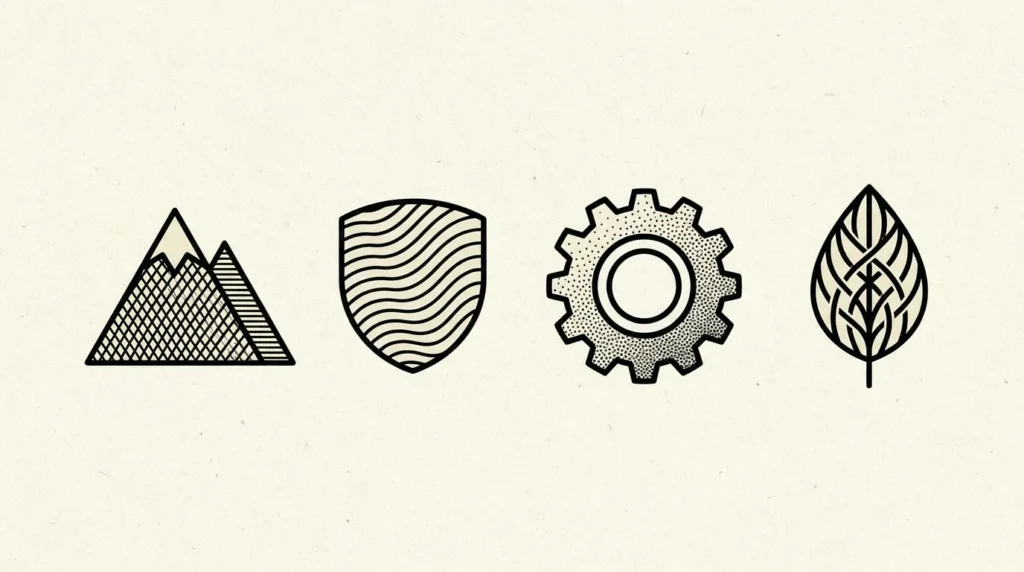
Explore the significance of texture in logos and how it enhances brand identity.
Understanding Texture in Logo Design
Texture in logo design refers to the visual or tactile surface characteristics that add depth and interest to a logo. It can be either implied or actual, achieved through various design techniques such as gradients, patterns, or embossing effects. Texture adds a layer of complexity that can make a logo more memorable and engaging. By incorporating texture, designers can evoke specific emotions or associations that align with a brand’s identity, helping it stand out in a crowded marketplace.
The Role of Texture in Enhancing Brand Identity
Incorporating texture into logo design plays a critical role in enhancing brand identity. A textured logo can communicate a brand’s values and personality more effectively than a flat design. For instance, a rough texture might convey ruggedness and durability, suitable for an outdoor gear brand, while a smooth, polished texture might suggest sophistication and elegance, ideal for a luxury brand. Texture creates a sensory connection with the audience, making the brand more relatable and memorable.
Techniques for Adding Texture to Logos
Designers can employ various techniques to add texture to logos, each offering a distinct aesthetic. Gradients and shading can create a sense of depth and dimension, while patterns can add intricacy and interest. Embossing and debossing effects give a three-dimensional feel, enhancing the tactile quality of a logo. Using texture subtly ensures that it complements rather than overwhelms the logo’s primary elements. For a more detailed exploration of design techniques, consider the logo design process.
Texture in Digital vs. Print Logos
The application of texture in digital versus print logos requires careful consideration. Digital logos can leverage texture through pixel-based techniques, allowing for dynamic and interactive elements. However, when translating a logo from digital to print, designers must ensure that textures remain effective without losing clarity. Print logos can benefit from actual textures through special printing techniques, such as embossing, providing a tangible experience. The scalability of textured logos across different mediums is crucial, which is further explored in the importance of scalability.
Balancing Texture with Simplicity
While texture can enhance a logo, it’s essential to balance it with simplicity to maintain clarity. Overly complex textures can obscure a logo’s message and reduce its versatility across various applications. The key is to use texture strategically, enhancing specific elements of the logo without detracting from its overall impact. Designers should focus on subtle textures that enrich the design while keeping its core message clear and recognizable.
The Future of Texture in Logo Design
As design trends evolve, the use of texture in logos continues to grow in sophistication. Advances in digital technology allow for more intricate and dynamic textures that can adapt to different contexts and platforms. The integration of AI in design offers new possibilities for creating unique, custom textures that enhance brand storytelling. To stay ahead in the competitive landscape, designers must embrace these innovations, ensuring their logos remain relevant and impactful. For insights into future trends, explore AI’s role in logo design.
The Psychological Impact of Texture in Logo Design
Texture in logo design is not only an aesthetic choice but also a psychological tool that can influence consumer perception and behavior. The tactile qualities that textures evoke can trigger subconscious associations and emotional responses. For example, a logo with a rough, gritty texture might evoke feelings of strength and resilience, appealing to consumers who value durability and toughness. Conversely, a logo featuring a soft, smooth texture may invoke a sense of calm and luxury, attracting an audience drawn to comfort and elegance.
Understanding the psychological impact of textures can help brands convey their intended message more effectively. By aligning texture choices with the brand’s core values and target audience preferences, designers can create logos that resonate on a deeper emotional level. This strategic use of texture can foster brand loyalty and increase recognition, as consumers are more likely to remember and engage with logos that evoke positive emotional responses.
Exploring Cultural Influences on Texture Perception
The perception of texture in logo design can vary significantly across different cultural contexts. Cultural backgrounds influence how individuals interpret textures, as these interpretations are often tied to cultural symbols and experiences. For instance, in some cultures, intricate textures might be associated with traditional craftsmanship and heritage, while in others, they may be perceived as chaotic or cluttered.
Designers working on international brands must consider these cultural nuances to ensure that their logo designs are universally effective. Conducting thorough market research and involving local designers can provide valuable insights into how different textures are perceived in various regions. This cultural sensitivity can help avoid misinterpretations and ensure that the logo effectively communicates the brand’s message to a global audience.
Moreover, designing logos that are adaptable to different cultural contexts can enhance their global appeal. This adaptability might involve creating multiple versions of a logo with variations in texture to suit different markets. By embracing cultural influences, brands can create logos that not only stand out but also foster deeper connections with consumers worldwide.