Creating a Strong Brand Identity with Vintage Logos
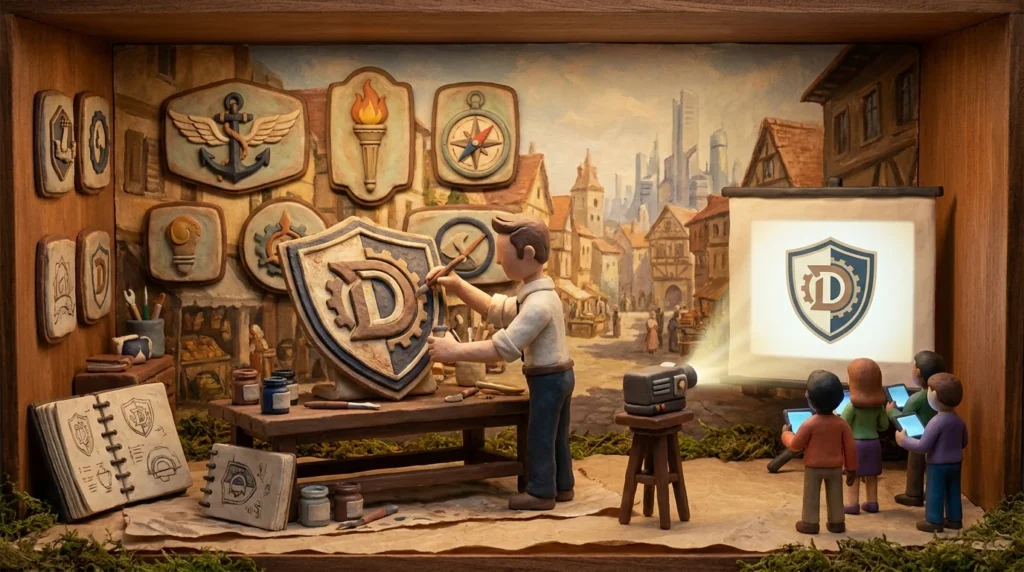
Explore how vintage logo design can enhance brand identity by blending nostalgia and modern aesthetics for a timeless appeal.
In the ever-evolving world of branding, finding a unique and timeless design approach is crucial. Vintage logo design offers a compelling solution by marrying nostalgia with contemporary sensibilities. By drawing inspiration from the past, brands can create logos that resonate emotionally with audiences while standing out in today’s competitive market.
The Appeal of Vintage Logos
Vintage logos evoke a sense of nostalgia, harking back to a simpler time. This emotional connection can be powerful, as it taps into the collective memory of consumers. The classic styles, often characterized by ornate fonts and muted color palettes, offer a comforting familiarity. By integrating these elements, brands can create a distinct identity that feels both authentic and trustworthy.
Elements of Vintage Logo Design
Understanding the core components of vintage logo design is essential for creating a successful brand identity. Key elements include typography, color schemes, and illustrative styles. Typography often features serif fonts or hand-drawn lettering, lending a handcrafted feel. Color schemes are usually subdued, with earth tones and pastels dominating. Illustrative elements might include detailed line work or retro motifs, adding depth and personality to the design.
Balancing Modern and Vintage Aesthetics
While vintage logos draw heavily from the past, they must also remain relevant to contemporary audiences. This balance can be achieved by incorporating modern design principles such as simplicity and minimalism. By streamlining complex vintage elements and focusing on clean lines, brands can maintain a vintage feel without appearing outdated. This approach ensures the logo is adaptable across various media, including digital platforms.
Enhancing Brand Recognition
Vintage logo design can significantly enhance brand recognition by establishing a unique visual identity. Consistency in design elements across all branding materials, as discussed in The Importance of Consistency in Logo Design for Brand Identity, reinforces this identity. A well-crafted vintage logo can become instantly recognizable, helping to differentiate a brand in a crowded marketplace.
Case Studies in Vintage Logo Success
Numerous brands have successfully employed vintage logo design to strengthen their identity. For instance, Coca-Cola’s logo has remained largely unchanged for over a century, leveraging both nostalgia and brand consistency. Similarly, the Levi’s logo harnesses vintage aesthetics to convey the brand’s heritage and authenticity. These examples illustrate how timeless design can foster long-lasting brand loyalty.
Creating Your Vintage Logo
For businesses considering a vintage logo, the design process should begin with thorough research into historical design trends. Understanding the visual language of different eras can inspire unique logo concepts. Additionally, businesses might consider using AI tools to streamline the design process, as discussed in Streamlining Brand Development with AI-Assisted Logo Makers. These tools can help generate ideas and refine designs, ensuring the final product resonates with both the brand’s history and its future aspirations.
In conclusion, vintage logo design offers a powerful way to create a strong brand identity. By blending nostalgic elements with modern aesthetics, brands can craft logos that are both timeless and unique, ensuring they stand out in a competitive marketplace.
Embracing Storytelling Through Vintage Logos
One of the unique advantages of vintage logo design lies in its capacity to tell a story. Vintage logos often encapsulate a narrative that reflects a brand’s history, values, or mission. By utilizing design elements from a particular era, brands can evoke specific moments in time, creating a rich tapestry of storytelling within a single image. This narrative-driven approach can be particularly effective in industries such as food and beverage, fashion, and artisanal products, where heritage and authenticity are highly valued.
To effectively convey a story through a vintage logo, businesses should consider what aspects of their history or brand ethos they wish to highlight. This could involve referencing the year of establishment, using imagery associated with the brand’s origin, or incorporating symbols that reflect core values. For example, a family-owned bakery might use elements from the year it was founded, such as the type of bread or traditional baking tools, to emphasize its longstanding commitment to quality and tradition. This not only enhances the logo’s aesthetic appeal but also deepens the emotional connection with consumers.
Integrating Cultural Elements in Vintage Logo Design
Another powerful dimension of vintage logo design is the incorporation of cultural elements that resonate with specific audiences. By tapping into cultural motifs and traditions, brands can create logos that not only stand out but also foster a deeper connection with their target market. This approach is particularly beneficial for businesses that operate in multicultural environments or aim to appeal to diverse consumer bases.
Cultural integration in logo design can be achieved through the use of regional symbols, traditional patterns, and culturally significant color palettes. For instance, a brand targeting an audience with a rich cultural heritage might incorporate traditional art forms or motifs that are instantly recognizable to that demographic. This strategy not only honors the cultural roots of the audience but also aligns the brand with the values and aesthetics that are important to them.
It’s crucial, however, to approach cultural integration with sensitivity and respect. Brands should conduct thorough research to ensure that the elements they incorporate are accurate and respectful representations of the culture in question. This can involve consulting with cultural experts or members of the community to ensure the design is both authentic and respectful.
Ultimately, by weaving cultural elements into vintage logo designs, brands can create distinctive identities that resonate on a deeper level with their audience, fostering brand loyalty and recognition across different cultural landscapes.