How to Leverage Symmetry in Logo Design
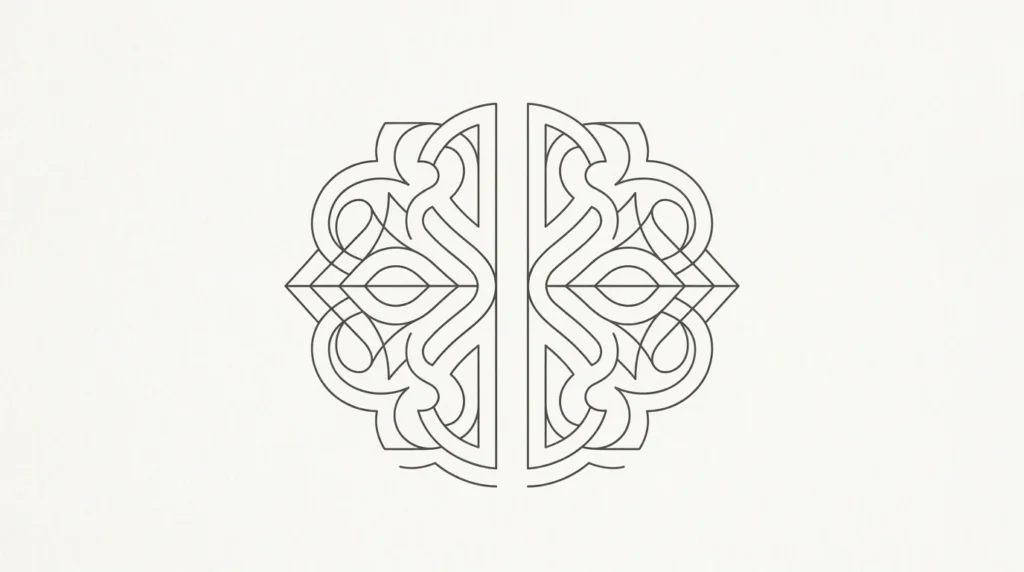
Discover how symmetry can transform your logo design. Learn the benefits, techniques, and creative approaches to using symmetry effectively.
Symmetry in logo design is a powerful tool that can help create visually appealing and balanced logos. It involves the harmonious arrangement of elements, leading to a cohesive and professional look. This article explores how to effectively leverage symmetry in logo design, offering insights into its benefits, techniques, and creative approaches.
Understanding the Concept of Symmetry in Logo Design
Symmetry is the balanced arrangement of elements on either side of a central axis. In logo design, it can be used to create a sense of harmony and order. Symmetrical logos are often perceived as more stable and trustworthy, making them ideal for brands that want to convey reliability. For example, logos with a perfect mirror image or reflective properties fall into this category. This design approach can be particularly effective for businesses like financial institutions or healthcare providers, where trust and stability are key.
The Benefits of Using Symmetry
Utilizing symmetry in logo design provides several benefits. Firstly, symmetrical logos tend to be more memorable due to their balanced nature. They are easier for the brain to process, leading to better brand recall. Additionally, symmetry can help establish a strong brand identity by creating a sense of consistency across various platforms. Symmetrical designs also often appear more aesthetically pleasing, which can enhance customer perception and engagement. For brands aiming for a classic or timeless look, symmetry can be a crucial design element.
Techniques for Creating Symmetrical Logos
Creating a symmetrical logo involves several techniques. One common approach is using geometric shapes, which naturally lend themselves to symmetrical designs. Circles, squares, and triangles can be combined in various ways to achieve balance. For more insights on using geometric shapes, you might find this resource helpful: How to Use Geometric Shapes in Logo Design. Another technique is the use of grids and guides in design software to ensure precision and alignment. This method helps maintain consistency and accuracy, essential for achieving perfect symmetry.
Creative Approaches to Symmetrical Design
While symmetry often implies traditional or straightforward designs, there are creative ways to apply it innovatively. Designers can play with negative space to create a symmetrical effect without a direct mirror image. Another approach is using symmetry in typography, where letters or words are arranged symmetrically. This can add a unique twist to the logo, making it stand out while maintaining balance. Additionally, integrating asymmetrical elements within a symmetrical framework can add dynamism and interest to the design.
Challenges and Considerations
Despite its advantages, working with symmetry in logo design can present challenges. One potential issue is the risk of creating a design that feels too rigid or predictable. To avoid this, designers should explore subtle asymmetries or variations that add uniqueness while maintaining overall balance. Additionally, it’s important to consider the scalability of the design, ensuring that the symmetrical elements remain clear and effective across different sizes and formats. Understanding the target audience and brand message is crucial to determining the appropriate level of symmetry.
Integrating Symmetry with Modern Design Trends
Incorporating symmetry with modern design trends can result in innovative logos that appeal to contemporary audiences. For instance, combining symmetry with minimalism can create sleek and sophisticated designs that resonate well with modern consumers. Similarly, integrating AI tools can streamline the design process, allowing for more precise symmetrical designs. For more on how AI is transforming logo design, visit How AI-Powered Tools Are Revolutionizing Logo Design. By blending symmetry with current trends, designers can craft logos that are both timeless and relevant.
The Role of Color in Symmetrical Logo Design
Color plays a crucial role in enhancing the impact of symmetrical logo designs. By carefully selecting a color palette that complements the symmetrical structure, designers can amplify the visual balance and appeal of the logo. For instance, using contrasting colors on either side of a central axis can highlight symmetry while adding vibrancy and energy to the design. Additionally, monochromatic color schemes can reinforce the sense of cohesion and unity within a symmetrical logo, creating a more subdued and elegant appearance.
Designers should also consider the psychological effects of color when creating symmetrical logos. Colors such as blue and green, often associated with trust and stability, can be effective for brands that use symmetry to convey reliability. On the other hand, warm colors like red and orange can add dynamism and warmth to symmetrical designs, making them more approachable. By strategically integrating color into symmetrical logos, designers can further align the design with the brand’s identity and values.
Examples of Iconic Symmetrical Logos
Many well-known brands have leveraged symmetry in their logos to create lasting impressions. For instance, the iconic logo of Chanel is a perfect example of symmetry, with its interlocking ‘C’s forming a balanced and timeless design. This logo effectively communicates luxury and elegance, traits synonymous with the brand. Similarly, the logo of MasterCard, featuring two overlapping circles, utilizes symmetry to represent balance and connectivity, which aligns with the brand’s global reach and financial reliability.
Another example is the logo of Target, which employs a simple yet powerful symmetrical design with concentric circles that create a visual target. This design is not only memorable but also effectively conveys the brand’s focus and precision. These examples illustrate how symmetry, when applied thoughtfully, can result in logos that are not only aesthetically pleasing but also deeply connected to the brand’s core message and identity.