Maximizing Brand Identity with Animated Logos
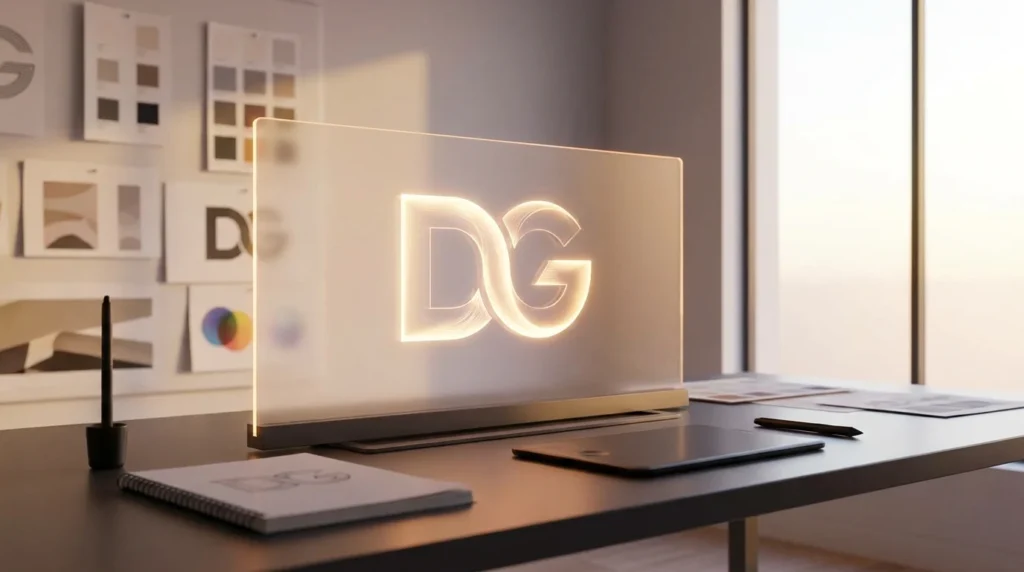
Explore how animated logo design can elevate your brand identity, engaging audiences and enhancing storytelling.
In today’s fast-paced digital world, brands are constantly seeking innovative ways to stand out and make a lasting impression. One such method is through the use of animated logo design. Animated logos not only capture attention but also enhance brand storytelling, making them an essential tool for modern businesses.
The Rise of Animated Logos
Animated logos have gained popularity due to their ability to convey a brand’s personality and message dynamically. Unlike static logos, animated versions can incorporate movement and sound, which can significantly enhance viewer engagement. This increased interaction can lead to higher brand recall and consumer loyalty.
Benefits of Animated Logo Design
An animated logo design offers several advantages over traditional logos. Firstly, it can simplify complex ideas, allowing brands to communicate more effectively. Additionally, animations can evoke emotions more powerfully than static images, helping to forge a deeper connection with the audience. Moreover, animated logos can be versatile, seamlessly integrating into various digital platforms, from websites to social media.
Enhancing Brand Storytelling
Storytelling is a crucial aspect of brand identity, and animated logos can play a significant role in this process. By using movement and sound, brands can tell a compelling story that resonates with their target audience. For more insights on enhancing brand storytelling, visit our article on The Role of AI in Enhancing Brand Storytelling through Logos.
Creating Memorable Impressions
In a crowded marketplace, making a memorable impression is vital. Animated logos can help achieve this by providing a unique and engaging visual experience. The movement within the logo can draw viewers’ attention and make the brand more memorable. By standing out, brands can increase their visibility and attract more customers.
Implementing Animated Logos Effectively
While animated logos offer numerous benefits, they must be implemented thoughtfully. Brands should ensure that the animation aligns with their overall identity and message. Additionally, it’s crucial to consider the platform where the logo will be displayed, as different environments may require different animation styles. For tips on avoiding common pitfalls, check out Common Mistakes to Avoid in Logo Design and How to Fix Them.
The Future of Animated Logos
As technology continues to evolve, the potential for animated logos will only increase. Future trends may include more interactive elements, allowing users to engage with the logo in new and exciting ways. This evolution will further cement the importance of animated logos in maximizing brand identity.
The Psychology Behind Animated Logos
Understanding the psychology of visual perception and emotion is crucial when designing an animated logo. Movements and transitions in an animation can significantly influence how a viewer perceives a brand. The human brain is wired to respond to motion, which can evoke specific emotional responses and create lasting impressions. For instance, smooth and fluid animations can convey a sense of elegance and professionalism, while more dynamic and quick movements may suggest energy and innovation.
Color choice in animations also plays a pivotal role. Different colors can evoke different emotions; for example, blue might convey trust and dependability, while red could evoke excitement or urgency. When combined with animation, these colors can amplify their psychological effects, further embedding the brand’s message into the viewer’s mind.
Furthermore, by tapping into psychological principles such as the mere exposure effect, where repeated exposure to a stimulus increases preference for it, animated logos can enhance brand familiarity. As viewers repeatedly encounter the animated logo across various platforms, they begin to associate the positive emotions elicited by the animation with the brand itself.
Integrating Animated Logos Across Platforms
For animated logos to maximize brand identity effectively, they must be seamlessly integrated across all digital platforms where the brand interacts with its audience. Each platform has unique characteristics and user behaviors that can influence how an animated logo is perceived and should be considered during the design process.
On websites, animated logos can be used in the header or as a loading animation, providing a brief but engaging brand interaction while the user waits for content to load. This not only holds the user’s attention but also reinforces brand recognition each time they visit the site.
Social media platforms offer another dynamic arena for animated logos. Short, eye-catching animations can be used as profile images or in video content to capture the scrolling audience’s attention. Given the fast-paced nature of social media, animations need to be concise yet impactful to ensure they leave an impression.
In mobile apps, where space is limited, animated logos can enhance the user interface by appearing during app launches or transitions between screens. This not only makes the brand more memorable but also enriches the overall user experience by adding an element of polish and sophistication.
Moreover, with the rise of digital advertising, animated logos can be a powerful tool in video ads or as part of animated banners. They can capture attention in the first few seconds, which is critical in maintaining viewer interest in the competitive landscape of digital marketing.
Ultimately, the key to successful integration lies in consistency. While the animation styles might differ slightly to suit each platform’s technical requirements and audience expectations, the core elements that define the brand’s identity should remain consistent, ensuring a cohesive brand presence across all digital touchpoints.