The Art of Crafting Logos for E-commerce Platforms
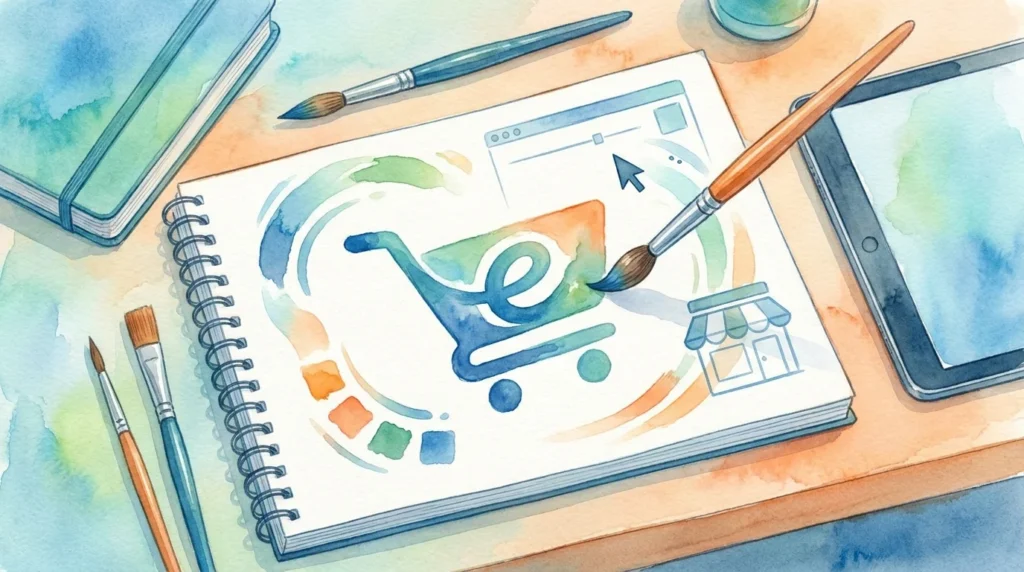
Explore effective strategies for e-commerce logo design to enhance brand identity and drive engagement.
In the dynamic world of e-commerce, a well-crafted logo is essential for establishing a strong brand identity. E-commerce logo design is not just about creating a visually appealing symbol; it’s about conveying the essence of your online store and connecting with your target audience.
Understanding the Importance of E-commerce Logo Design
A logo serves as the face of your brand in the digital marketplace. For e-commerce platforms, it becomes even more crucial as it is often the first point of contact with potential customers. A thoughtfully designed logo can build trust and recognition, encouraging users to explore your offerings. In contrast, a poorly designed logo may deter potential customers from engaging with your site. Thus, investing in quality e-commerce logo design can significantly impact your business’s success.
Elements of a Successful E-commerce Logo
When designing a logo for an e-commerce platform, there are several elements to consider. First, simplicity is key. A simple logo is easier to recognize and remember. It should also be versatile, working well across different devices and platforms. Additionally, color plays a significant role in logo design. The right color scheme can evoke emotions and convey your brand’s personality. Finally, typography should complement the design, adding to the overall appeal without overwhelming the viewer.
Incorporating User-Centric Design
Creating a logo with the user in mind can enhance engagement and brand loyalty. A user-centric approach involves understanding your target audience’s preferences and expectations. By aligning your logo design with user needs, you can create a more personalized and relatable brand image. For insights on this approach, consider exploring The Benefits of User-Centric Logo Design.
The Role of Technology in Logo Design
Technology has transformed the way logos are designed and perceived. Tools powered by artificial intelligence can streamline the design process, offering innovative solutions and diverse design options. These tools allow for quick iterations, helping designers refine their concepts efficiently. To learn more about the impact of technology on logo design, check out The Impact of AI on Traditional Logo Design Techniques.
Case Studies: Successful E-commerce Logos
Examining successful e-commerce logos can provide valuable insights into effective design strategies. For instance, brands like Amazon and eBay have logos that are both simple and memorable. These logos effectively communicate the brand’s identity and value proposition. By analyzing such examples, you can identify key elements that contribute to a successful e-commerce logo.
Adapting to Changing Trends
The world of e-commerce is ever-evolving, and so are logo design trends. Staying updated with current trends can help your brand remain relevant and appealing. For example, minimalist designs and bold typography are popular trends in 2026. For more on current trends, visit Logo Design Trends 2026. By adapting to these trends, you can ensure your logo continues to resonate with your audience.
Conclusion
Crafting an effective logo for an e-commerce platform requires a blend of creativity, strategic thinking, and an understanding of your audience. By focusing on simplicity, user-centric design, and leveraging technology, you can create a logo that not only stands out but also drives customer engagement. As the digital landscape continues to evolve, keeping your design flexible and adaptable will be key to maintaining a strong brand presence.
Exploring Cultural Influence in E-commerce Logo Design
An often overlooked yet significant aspect of e-commerce logo design is the cultural context in which a brand operates. Understanding cultural nuances can greatly enhance a logo’s effectiveness and resonance with its audience. A logo that reflects cultural values and aesthetics can create a deeper emotional connection with consumers, fostering brand loyalty and recognition.
For instance, in regions where vibrant colors symbolize prosperity and happiness, incorporating such hues into a logo can convey positivity and success. Similarly, symbols and motifs with cultural significance can be subtly integrated into the design to evoke familiarity and trust.
It’s crucial for designers to research and understand the cultural landscape of their target market. This involves not only acknowledging cultural preferences but also being sensitive to potential cultural taboos or misinterpretations. A culturally aware logo design can help e-commerce platforms penetrate new markets more effectively and build a more inclusive brand image.
Balancing Tradition and Modernity
Incorporating elements of tradition while maintaining a modern appeal can be a powerful strategy in logo design. This balance ensures that a logo feels both timeless and contemporary, appealing to a wide demographic range. For example, a company rooted in a rich heritage might use traditional patterns or icons in a sleek, modern layout to reflect both its history and its forward-looking vision.
Designers should strive to create logos that respect and celebrate cultural heritage while also embracing innovation. This approach not only honors the past but also positions the brand as a dynamic player in the modern digital economy.
The Impact of Scalability on Logo Design
Scalability is a critical consideration in e-commerce logo design. As e-commerce platforms are accessed on a variety of devices, from smartphones to large desktop screens, a logo must maintain its clarity and impact at any size. A scalable logo ensures that brand identity remains consistent and recognizable, regardless of where it appears.
To achieve scalability, designers often prioritize clean lines and minimalistic elements that do not lose detail when resized. Vector graphics are typically employed to allow for seamless scaling without loss of quality. Additionally, testing the logo across different mediums, such as print and digital formats, ensures that it performs well in all contexts.
By focusing on scalability, e-commerce platforms can ensure that their logos enhance brand recognition and remain impactful across diverse consumer touchpoints. This adaptability is key in maintaining a strong and cohesive brand presence in the ever-expanding digital marketplace.