The Significance of Negative Space in Modern Logos
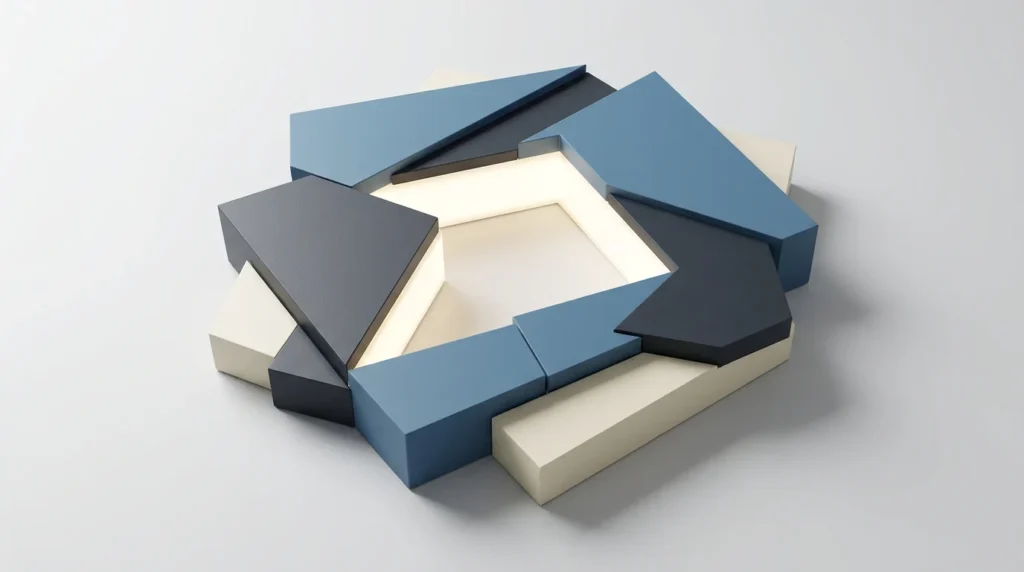
Explore the importance of negative space in modern logo design and its impact on brand identity and customer perception.
Negative space, often referred to as ‘white space’, is a crucial element in modern logo design. It is not merely the absence of content but a strategic tool that can enhance a logo’s appeal and functionality. Understanding the significance of negative space in logos is essential for designers aiming to create memorable and effective brand identities.
The Concept of Negative Space
Negative space is the area surrounding and between the main elements of a logo. It provides breathing space and highlights the primary features of the design. By using negative space effectively, designers can create a sense of balance and harmony, making the logo more aesthetically pleasing. This technique is not new but has gained renewed importance in modern digital branding.
Creating Depth and Dimension
One of the most significant benefits of using negative space is its ability to add depth and dimension to a logo. By cleverly integrating negative space, designers can craft logos that appear more dynamic and three-dimensional. This approach can make a logo stand out in digital formats, where flat designs often blend into the background. It also allows for subtle creativity, capturing the viewer’s attention and encouraging a closer look.
Enhancing Brand Identity
Negative space plays a vital role in enhancing brand identity. A well-designed logo with strategic negative space can communicate complex brand messages with simplicity and elegance. Brands like FedEx and NBC have famously used negative space to convey deeper meanings, such as speed and versatility. Such designs not only look professional but also create a lasting impression on the audience.
Improving Visual Hierarchy
Incorporating negative space effectively can significantly improve the visual hierarchy of a logo. By delineating elements, negative space helps guide the viewer’s eye to the most important parts of the logo first. This is crucial in environments where logos are displayed alongside other visual content, such as websites and mobile apps. For more insights on adapting logos for digital platforms, refer to Creating Logos for the Digital Age.
Boosting Customer Perception
Customer perception is heavily influenced by visual aesthetics. A logo that uses negative space effectively can enhance the perceived quality and sophistication of a brand. This perception can lead to increased trust and loyalty from customers. As discussed in The Impact of Logo Design on Customer Perception, the strategic use of negative space can make a logo more memorable and appealing.
Challenges and Considerations
While negative space is a powerful tool, it requires careful consideration and skill to use effectively. Designers must balance the amount of negative space with other design elements to avoid creating a logo that feels empty or incomplete. Additionally, cultural perceptions of space and minimalism can vary, so understanding the target audience is crucial. For designers looking to master this technique, Negative Space Mastery offers valuable guidance.
In conclusion, negative space is a significant element in modern logo design that can enhance brand identity, improve visual hierarchy, and positively influence customer perception. By understanding and applying this concept, designers can create logos that are not only visually appealing but also deeply meaningful.
Innovative Examples of Negative Space in Logos
Many brands have successfully leveraged negative space to create logos that are both innovative and memorable. These logos often include hidden elements or symbols that are not immediately apparent, encouraging viewers to engage more deeply with the design. For instance, the logo for the World Wildlife Fund features a panda, where the negative space within the panda’s form is cleverly used to complete the image. This not only highlights the organization’s focus on wildlife conservation but also creates an engaging visual experience.
Another striking example is the Spartan Golf Club logo, which ingeniously uses negative space to depict both a golfer in full swing and the profile of a Spartan warrior. This dual imagery captures the essence of the brand, appealing to its target audience by combining the themes of sport and strength.
Negative Space as a Tool for Storytelling
Beyond aesthetics, negative space can serve as a powerful storytelling tool in logo design. By incorporating narratives through subtle design choices, brands can convey complex ideas and values succinctly. For instance, the logo for Hope for African Children Initiative uses negative space to create an image of both Africa and a child looking up to an adult. This design communicates the organization’s mission of providing hope and support to African children, capturing the essence of their work in a simple yet profound way.
Similarly, the logo for The Guild of Food Writers cleverly uses the negative space within a quill to depict a spoon, symbolizing the art of writing about food. This not only highlights the organization’s focus but also adds a layer of sophistication to its brand identity.
Such examples demonstrate that when used effectively, negative space can transform a logo into a narrative device, enhancing its ability to communicate the brand’s story and values.
Future Trends in Negative Space Logo Design
As design trends continue to evolve, the use of negative space in logos is expected to become even more sophisticated. With the rise of augmented reality and interactive media, logos that incorporate negative space may begin to include interactive elements that change or reveal new images when viewed from different perspectives or through different media. This can create a dynamic interaction with the audience, further engaging them with the brand.
Moreover, minimalist design trends are likely to continue influencing how negative space is utilized, pushing designers to find new and innovative ways to simplify and distill brand messages. This ongoing evolution in design thinking will challenge designers to push the boundaries of creativity, making negative space an even more integral part of modern logo design strategy.